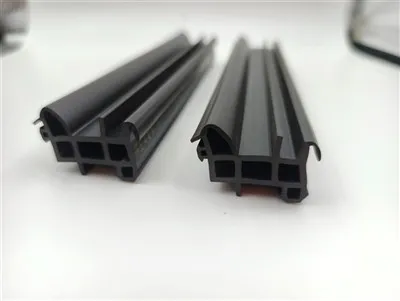
High-Quality EPDM Rubber Extrusions for Industrial Use
flexmer is a leading manufacturer specializing in EPDM rubber extrusion products designed for superior durability, flexibility, and weather resistance. With years of expertise in rubber engineering, we supply a wide range of custom EPDM extrusions for automotive, construction, marine, and industrial applications. From material formulation to precision extrusion, flexmer provides reliable and high-performance sealing and insulation solutions trusted by clients worldwide.
High-Performance Material
Our EPDM rubber offers exceptional resistance to heat, ozone, UV, and weathering. It maintains flexibility and sealing strength even under extreme temperature changes, ensuring long-lasting performance in any environment.
Custom Extrusion Service
flexmer provides OEM & ODM solutions with tailored extrusion profiles to meet specific requirements in automotive, construction, and industrial applications. Every detail—from design to hardness—can be customized.
Advanced Production Technology
Equipped with precision extrusion and continuous vulcanization equipment, we guarantee stable quality, accurate dimensions, and smooth surface finishes across all EPDM extrusion products.
Strict Quality Control
Every stage of production undergoes rigorous inspection, including dimensional, hardness, and aging resistance tests, ensuring consistent quality that meets international standards.
-
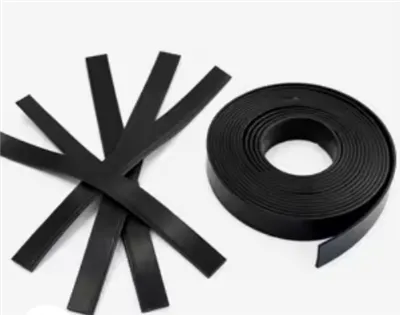
![Epdm Strip Roll]() Epdm Strip RollEPDM Strip Roll: Complete Guide to High-Performance Rubber Sealing Solutions for Industrial and Commercial ApplicationsDiscover high-quality EPDM strip roll for windows, doors, automotive,
Epdm Strip RollEPDM Strip Roll: Complete Guide to High-Performance Rubber Sealing Solutions for Industrial and Commercial ApplicationsDiscover high-quality EPDM strip roll for windows, doors, automotive, -
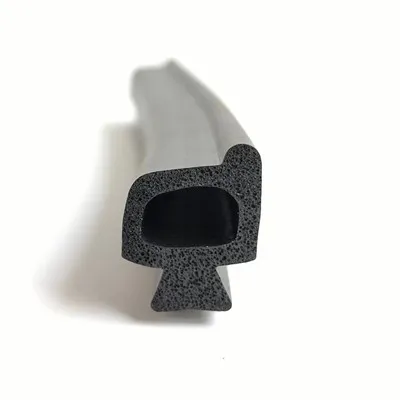
![Epdm Foam Rubber Strips]() Epdm Foam Rubber StripsEPDM Foam Rubber Strips: The Complete Guide to High-Performance Sealing, Insulation, and Weatherproofing SolutionsPremium EPDM foam rubber strips for sealing, insulation, weatherproofing, automotive,
Epdm Foam Rubber StripsEPDM Foam Rubber Strips: The Complete Guide to High-Performance Sealing, Insulation, and Weatherproofing SolutionsPremium EPDM foam rubber strips for sealing, insulation, weatherproofing, automotive, -
![EPDM T Rubber Seal For Windows]() EPDM T Rubber Seal For WindowsEPDM T Rubber Seal for Windows: The Ultimate Weatherproof Sealing Solution for Residential, Commercial, and Industrial Glazing SystemsPremium EPDM T rubber seal for windows with excellent weather
EPDM T Rubber Seal For WindowsEPDM T Rubber Seal for Windows: The Ultimate Weatherproof Sealing Solution for Residential, Commercial, and Industrial Glazing SystemsPremium EPDM T rubber seal for windows with excellent weather -
![EPDM Extrusion For Sealing Systems]() EPDM Extrusion For Sealing SystemsEPDM Extrusion for Sealing Systems: Engineered Rubber Profiles for Reliable Industrial Sealing SolutionsDiscover custom EPDM extrusion for sealing systems featuring excellent weather resistance, UV
EPDM Extrusion For Sealing SystemsEPDM Extrusion for Sealing Systems: Engineered Rubber Profiles for Reliable Industrial Sealing SolutionsDiscover custom EPDM extrusion for sealing systems featuring excellent weather resistance, UV -
![EPDM Extrusion Rubber Strip]() EPDM Extrusion Rubber StripEPDM Extrusion Rubber Strip: High-Performance Sealing and Gasketing Solutions for Industrial ApplicationsPremium EPDM extrusion rubber strip for sealing, insulation, vibration control, and
EPDM Extrusion Rubber StripEPDM Extrusion Rubber Strip: High-Performance Sealing and Gasketing Solutions for Industrial ApplicationsPremium EPDM extrusion rubber strip for sealing, insulation, vibration control, and -
![OEM Rubber Sealing Strip]() OEM Rubber Sealing StripOEM Rubber Sealing Strip: Custom Engineered Sealing Solutions for Industrial, Automotive, and Construction ApplicationsHigh-quality OEM rubber sealing strip for windows, doors, automotive, HVAC, and
OEM Rubber Sealing StripOEM Rubber Sealing Strip: Custom Engineered Sealing Solutions for Industrial, Automotive, and Construction ApplicationsHigh-quality OEM rubber sealing strip for windows, doors, automotive, HVAC, and -
![Custom Rubber Profiles]() Custom Rubber Profilesflexmer provides custom rubber profiles for industrial and commercial use. Tailored solutions to fit your exact requirements.
Custom Rubber Profilesflexmer provides custom rubber profiles for industrial and commercial use. Tailored solutions to fit your exact requirements. -
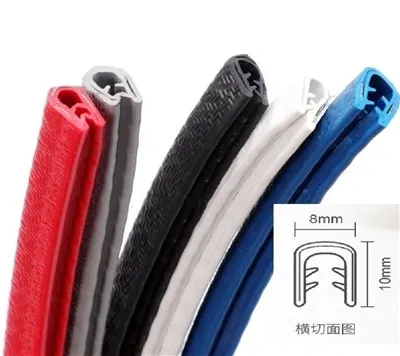
![Epdm Edge Seal]() Epdm Edge SealCustom U-Shaped Edge Protection Car Door Silicone PVC Seal Strip Industrial Use Eco-friendly flexmer Brand Processing Service
Epdm Edge SealCustom U-Shaped Edge Protection Car Door Silicone PVC Seal Strip Industrial Use Eco-friendly flexmer Brand Processing Service -
![Vehicle Container Sealing Gaskets]() Vehicle Container Sealing GasketsTop-Quality Factory Products Vehicle Container Sealing Gaskets - Box Truck Door Bottom & Edge Sealing Strips
Vehicle Container Sealing GasketsTop-Quality Factory Products Vehicle Container Sealing Gaskets - Box Truck Door Bottom & Edge Sealing Strips -
![EPDM Foamed Composite Sealing Strip]() EPDM Foamed Composite Sealing StripHigh-quality EPDM foamed composite sealing strip, silent rubber strip, door and window soundproofing equation rubber strip
EPDM Foamed Composite Sealing StripHigh-quality EPDM foamed composite sealing strip, silent rubber strip, door and window soundproofing equation rubber strip



One-stop EPDM Extrusion Factory in China
ooking for reliable EPDM extrusion profiles for sealing applications? flexmer provides custom EPDM extrusion solutions with precise profiles, consistent quality, and fast delivery to support your projects.

Introduction to EPDM Extrusion
Ethylene Propylene Diene Monomer (EPDM) rubber extrusion is a versatile, high-performance solution widely used across multiple industries. At flexmer, our EPDM extrusion products are engineered to meet the highest standards of durability, weather resistance, and flexibility. With decades of experience in rubber technology, we deliver custom extrusions that suit automotive seals, construction profiles, industrial gaskets, and specialty engineering components.
EPDM rubber is renowned for its outstanding resistance to heat, ozone, UV radiation, and various chemicals, making it a preferred material for applications exposed to extreme environmental conditions. By using advanced extrusion techniques, we produce complex geometries with consistent dimensional accuracy, ensuring seamless integration into your systems.
one-stop solution
professional team
high quality
Key Features of EPDM Extrusion
Weather & Ozone Resistance
EPDM rubber extrusions are engineered to withstand severe weather conditions. Unlike other elastomers, EPDM retains its elasticity after prolonged exposure to UV radiation, ozone, and environmental pollutants. This feature makes it ideal for window and door seals, automotive weatherstripping, and roofing applications.
Thermal Stability
Our EPDM extrusions maintain performance in extreme temperatures, ranging from -50°C to 150°C. This makes them suitable for outdoor and high-temperature industrial environments, including HVAC gaskets, automotive cooling system seals, and electrical insulation applications.
Chemical & Fluid Resistance
EPDM exhibits excellent resistance to water, steam, mild acids, alkalis, and polar solvents, making it ideal for industrial sealing applications. It is also compatible with glycol-based coolants, detergents, and aqueous solutions, which are commonly encountered in automotive and mechanical systems.
Design Flexibility
flexmer’s advanced extrusion technology allows for highly complex profiles, multi-durometer designs, and precise tolerances. You can create EPDM profiles with hollow chambers, ridges, or custom surface finishes to optimize sealing, cushioning, or vibration-damping performance.
Applications of EPDM Extrusion

EPDM extrusions are widely adopted across multiple industries due to their exceptional weather resistance, chemical stability, and flexibility. Their adaptability allows engineers and designers to implement them in demanding environments where long-term performance is critical. Below, we explore industry-specific applications with technical context and engineering benefits.
Automotive Industry
EPDM extrusions are a mainstay in automotive sealing and protective applications due to their resilience under temperature extremes, UV exposure, and continuous mechanical stress. Key uses include:
Weatherstrips for doors, trunks, and sunroofs: Provide airtight and watertight seals to prevent wind noise, water ingress, and dust intrusion. EPDM maintains compression set resistance, ensuring reliable sealing over the vehicle’s lifetime.
Seals for windows and windshields: Flexible extrusions create consistent sealing along glass edges, improving thermal insulation and vibration damping.
Hose coverings and vibration-damping profiles: EPDM extrusions protect hoses from abrasion and enhance the durability of engine bay components by dampening vibrations.
Protective edge trims for panels and body components: Shield exposed edges from chipping, corrosion, and mechanical wear while providing a visually appealing finish.
Engineering Note: Automotive EPDM extrusions often comply with OEM specifications and ASTM D2000 classifications, ensuring consistent hardness, tensile strength, and elongation for dynamic automotive environments.
Construction & Architecture
EPDM extrusions are ideal for building envelopes, glazing systems, and waterproofing applications due to their long-term UV and ozone resistance:
Window and door seals: EPDM maintains elasticity in fluctuating temperatures, preventing air leakage and improving energy efficiency.
Curtain wall gaskets: Extrusions support structural glazing applications, creating airtight and watertight seals for high-rise buildings.
Roofing and façade seals: Resistant to UV, ozone, and temperature cycles, EPDM extrusions provide durable seals for flat and sloped roofing systems.
Structural glazing applications: Hollow and multi-chamber profiles can absorb building movements while maintaining structural integrity.
Engineering Insight: EPDM in construction often undergoes ISO 3302-1 tolerance checks and ASTM D395 compression set testing to ensure long-term performance under static and dynamic loads.
Industrial & Manufacturing
In industrial environments, EPDM extrusions deliver reliability in sealing, cushioning, and protective applications:
Gaskets for machinery and equipment: Maintain tight seals in mechanical assemblies, hydraulic systems, and high-pressure environments.
Vibration-damping profiles: Reduce wear and tear on sensitive equipment, improving operational lifespan.
Protective edge trims and cable insulation: Shield equipment edges and cabling from mechanical damage, chemical exposure, and dust ingress.
Seals for chemical processing and fluid handling systems: EPDM extrusions resist water, steam, and mild chemicals, ensuring containment and safety compliance.
Technical Highlight: Industrial EPDM extrusions can be formulated for specific chemical resistance, including glycol, detergent, and aqueous solutions, while retaining low-temperature flexibility down to -50°C.
Transportation & Marine
EPDM extrusions meet the demanding requirements of rail, bus, truck, and marine applications:
Seals for railcars, buses, and trucks: Ensure noise reduction, vibration absorption, and weatherproofing in commercial vehicles.
Hatch and cargo door gaskets: Maintain tight sealing under repeated opening cycles and variable weather conditions.
Marine-grade sealing solutions: Resistant to UV, saltwater, and ozone, making them ideal for boat hatches, portholes, and exterior trims.
Engineering Note: Marine EPDM extrusions often undergo accelerated weathering tests (ASTM D1149) and UV exposure simulations (ISO 4892-2) to validate long-term performance in harsh outdoor conditions.
Renewable Energy
EPDM extrusions are increasingly applied in renewable energy installations due to their durability, thermal stability, and flexibility:
Seals for solar panels, wind turbines, and battery enclosures: Provide airtight and watertight protection while resisting prolonged UV exposure and temperature cycling.
High-durability profiles for outdoor installations: Hollow chambers and custom geometries allow for expansion, contraction, and vibration damping in solar arrays, wind towers, and energy storage units.
Sustainability Insight: EPDM profiles for renewable energy can be designed with recycled-content compounds without compromising performance, supporting eco-friendly energy infrastructure.
Technical Specifications
flexmer provides EPDM extrusions with customizable specifications tailored to your industry needs:
| Property | Typical Value | ASTM / ISO Standard |
|---|---|---|
| Hardness (Shore A) | 40–90 | ASTM D2240 |
| Tensile Strength | 8–20 MPa | ASTM D412 |
| Elongation at Break | 200–600% | ASTM D412 |
| Compression Set (70h @ 100°C) | 15–35% | ASTM D395 |
| Density | 1.1–1.4 g/cm³ | ISO 2781 |
| Operating Temperature | -50°C to 150°C | ASTM D3418 |
| Ozone Resistance | No cracks at 100 pphm, 100h | ASTM D1149 |
| UV Resistance | Excellent | ISO 4892-2 |
| Water Absorption | <0.5% | ASTM D471 |

Manufacturing Process
1. Material Compounding
EPDM elastomer is carefully compounded with fillers, stabilizers, and processing aids to meet specific performance requirements, including hardness, color, and weathering resistance.
2. Extrusion Process
The compounded material is fed into state-of-the-art extrusion lines, where it is forced through custom-designed dies to create continuous profiles with precise dimensions and complex shapes.
3. Vulcanization
The extruded profiles undergo controlled vulcanization (curing) to achieve optimum elasticity, tensile strength, and thermal stability.
4. Post-Processing & Quality Control
Profiles may be trimmed, spliced, or coiled according to client specifications. Each batch is inspected for dimensional accuracy, surface defects, and mechanical properties, ensuring consistent quality.
Advantages Over Other Elastomers
EPDM extrusions provide superior performance compared to silicone, neoprene, and PVC profiles in many applications:
Longer UV & Ozone Life
Outperforms neoprene and PVC in outdoor exposure
Better Compression Set Recovery
Maintains sealing under continuous load
Enhanced Chemical Resistance
Suitable for water-based chemicals and mild acids

Frequently Asked Questions (FAQ)
Q1: What is the difference between EPDM and silicone extrusions?
A: EPDM offers superior UV, ozone, and weather resistance for outdoor applications, while silicone excels in extreme temperature ranges (-60°C to 230°C) and flexible chemical resistance.
Q2: Can EPDM extrusions be custom-colored?
A: Yes. flexmer can produce EPDM profiles in black, gray, or color-matched options with UV-stable pigments.
Q3: Are EPDM extrusions suitable for potable water applications?
A: Certain grades of EPDM meet FDA and NSF certifications for contact with potable water. Custom formulations can be supplied on request.
Q4: How long do EPDM extrusions last outdoors?
A: With proper design and installation, EPDM extrusions can maintain performance for 15–25 years in outdoor applications, depending on environmental conditions.
Q5: Can flexmer produce multi-durometer or hollow profiles?
A: Yes, advanced extrusion technology allows for complex geometries, including hollow sections, multi-durometer compounds, and co-extrusions with other elastomers.
We're professional EPDM extrusion manufacturers and suppliers in China, specialized in providing high quality customized products. We warmly welcome you to buy high-grade EPDM extrusion from our factory.
u rubber edge trim, t section rubber seal, epdm rubber rods