

Hey there! I'm a supplier of flat rubber seal strips, and I often get asked about how to remove these strips. So, I thought I'd share some tips and tricks based on my experience in the industry.
Why You Might Need to Remove a Flat Rubber Seal Strip
There are several reasons why you might want to remove a flat rubber seal strip. Maybe it's old and worn out, and you need to replace it with a new one. Or perhaps you're doing some renovation work and the seal strip is in the way. Whatever the reason, it's important to know the right way to remove it without causing any damage.
Tools You'll Need
Before you start the removal process, you'll need to gather a few tools. Here's what I recommend:
- A putty knife or a flat - bladed screwdriver: This will help you gently pry the seal strip loose from its position.
- A heat gun: If the seal strip is stuck firmly, a heat gun can soften the adhesive and make it easier to remove.
- A pair of pliers: You can use pliers to grip the edge of the seal strip and pull it off once it's partially loose.
- Some rubbing alcohol and a clean cloth: This is for cleaning up any adhesive residue after the seal strip is removed.
Step - by - Step Removal Process
Step 1: Inspect the Seal Strip
First, take a good look at the seal strip to see how it's attached. Some seal strips are held in place by adhesive, while others might be clipped or snapped into a groove. Understanding the attachment method will help you choose the right approach for removal.
Step 2: Soften the Adhesive (if applicable)
If the seal strip is attached with adhesive, using a heat gun can be a game - changer. Set the heat gun to a low - medium setting and hold it about 2 - 3 inches away from the seal strip. Move the heat gun back and forth along the length of the strip. The heat will soften the adhesive, making it easier to remove the strip. Be careful not to overheat the rubber, as this can cause it to melt or become damaged.
Step 3: Start Prying
Once the adhesive is softened (or if there's no adhesive), use a putty knife or a flat - bladed screwdriver to gently pry up one corner of the seal strip. Insert the tool under the edge of the strip and apply gentle pressure. Try to lift the strip as evenly as possible to avoid tearing it.
Step 4: Pull with Pliers
If you've managed to get a corner of the seal strip loose, use a pair of pliers to grip it firmly. Then, slowly and steadily pull the strip away from the surface. If you encounter any resistance, stop and re - apply heat or use the putty knife to loosen the strip further.
Step 5: Clean the Surface
After the seal strip is removed, there will likely be some adhesive residue left on the surface. Dampen a clean cloth with rubbing alcohol and gently rub the residue until it comes off. This will leave the surface clean and ready for a new seal strip if you're planning to install one.
Tips for a Smooth Removal
- Work slowly and carefully: Rushing the process can lead to tearing the seal strip or damaging the surface it was attached to.
- Wear gloves: Rubber can be slippery, and wearing gloves will give you a better grip when pulling the strip off.
- Be patient with stubborn areas: If there are parts of the seal strip that are really stuck, take your time to soften the adhesive or use the prying tool more gently.
Our Products and Related Links
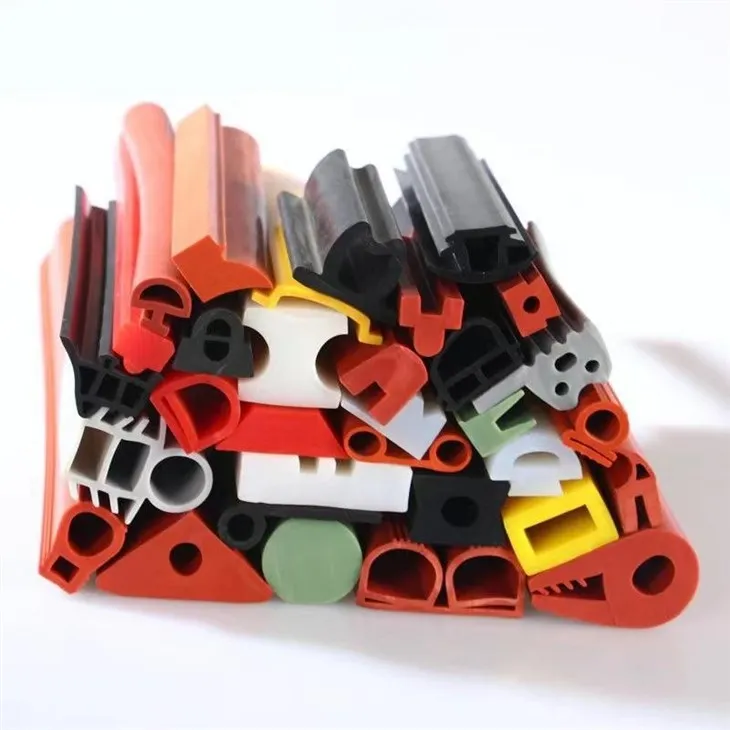
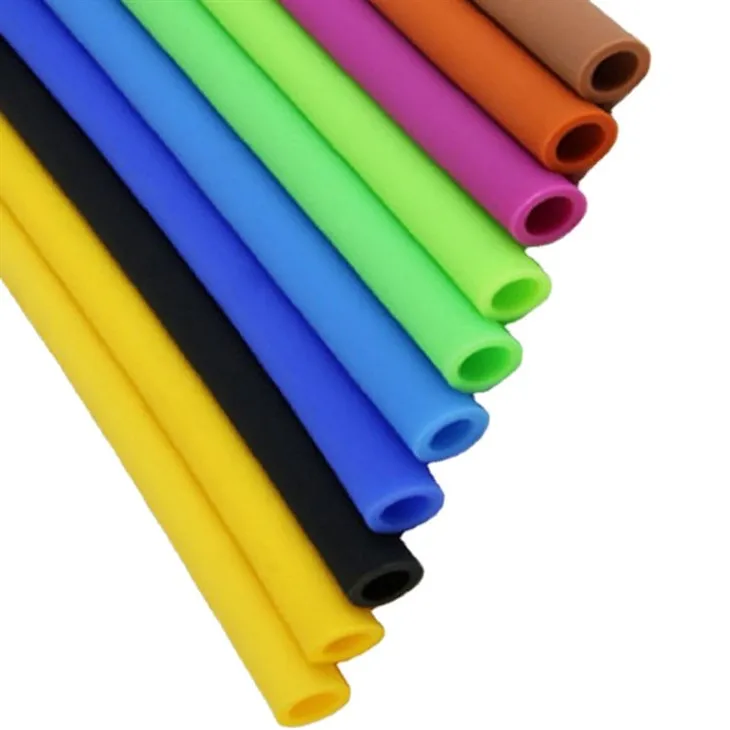
As a flat rubber seal strip supplier, we also offer a wide range of other rubber products. Check out our Silicone Rubber Profiles for high - quality silicone - based profiles. We also have Medical Silicone Extrusion products, which are designed for medical applications. And if you're looking for something in black, our Black Silicone Rubber is a great option.
Contact Us for Purchasing
If you're in the market for flat rubber seal strips or any of our other products, we'd love to hear from you. Whether you need a small quantity for a DIY project or a large order for a commercial application, we can provide you with the right products at competitive prices. Reach out to us to start a procurement negotiation, and let's find the best solution for your needs.
References
- Rubber Product Handbook: A comprehensive guide on rubber products and their applications.
- DIY Home Renovation Magazine: Articles on various home improvement tasks, including seal strip removal.