

As a leading supplier of H Seal Rubber, I've witnessed firsthand the growing demand for high - performance sealing solutions in various industries. One of the most critical aspects that customers often inquire about is the water resistance of H Seal Rubber. In this blog, I'll delve deep into this topic, exploring what makes H Seal Rubber an excellent choice for applications where water resistance is paramount.
Understanding H Seal Rubber
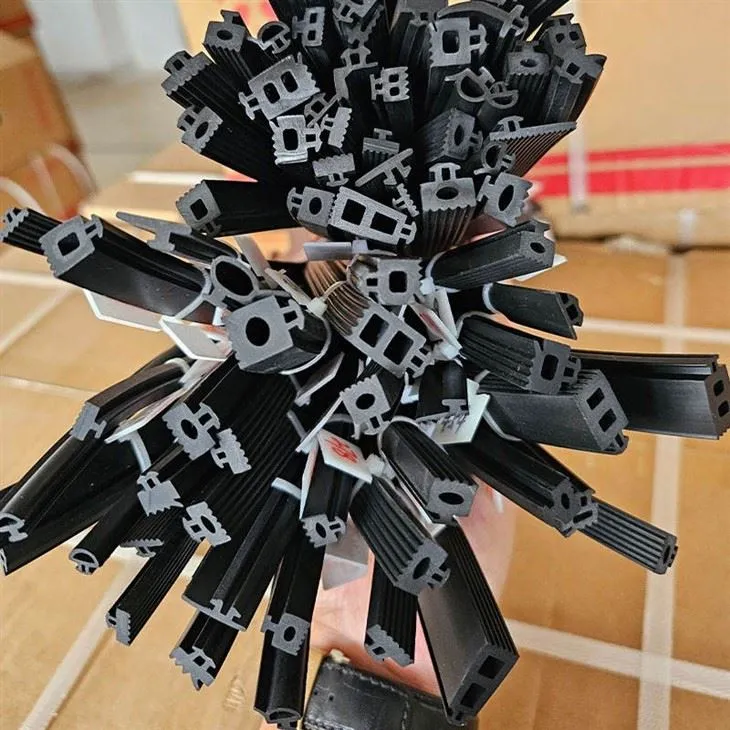
Before we discuss its water resistance, let's briefly understand what H Seal Rubber is. H Seal Rubber gets its name from its distinctive H - shaped cross - section. This unique design allows it to fit snugly into grooves, providing a reliable and long - lasting seal. It is commonly made from materials such as EPDM (Ethylene Propylene Diene Monomer), silicone, and neoprene, each with its own set of properties and advantages.
Factors Affecting the Water Resistance of H Seal Rubber
Material Composition
The material from which the H Seal Rubber is made plays a crucial role in determining its water resistance.
- EPDM: EPDM is one of the most popular materials for H Seal Rubber due to its excellent water - resistant properties. It has a low water absorption rate, which means it can effectively prevent water from penetrating through the seal. EPDM is also resistant to ozone, UV rays, and extreme temperatures, making it suitable for both indoor and outdoor applications. For example, in building construction, EPDM Rubber D Shape Profile is often used for window and door seals, where it provides a reliable barrier against rain and moisture.
- Silicone: Silicone rubber is another material known for its water resistance. It has a hydrophobic surface, which repels water and prevents it from adhering to the seal. Silicone H Seal Rubber is also highly flexible and can maintain its shape and sealing performance over a wide range of temperatures. It is commonly used in applications such as automotive engine seals and electrical enclosures, where water ingress can cause damage to sensitive components.
- Neoprene: Neoprene offers good water resistance, especially in applications where oil and chemical resistance are also required. It has a dense structure that helps to keep water out, and it can withstand exposure to various environmental conditions. Neoprene H Seal Rubber is often used in marine applications, such as boat hatches and portholes, where it provides a watertight seal.
Cross - Sectional Design
The H - shaped cross - section of the seal is designed to maximize its water - sealing capabilities. The two arms of the H fit tightly into the grooves, creating multiple sealing points. This design helps to prevent water from bypassing the seal, even under high pressure. The shape also allows the seal to adapt to different surface irregularities, ensuring a consistent and reliable seal.
Manufacturing Quality
The quality of the manufacturing process can significantly impact the water resistance of H Seal Rubber. High - quality seals are made using precise molding techniques, which ensure uniform thickness and density throughout the seal. This helps to prevent weak spots where water could potentially penetrate. Additionally, proper vulcanization during the manufacturing process enhances the seal's durability and water - resistant properties.
Applications of H Seal Rubber Based on Water Resistance
Building and Construction
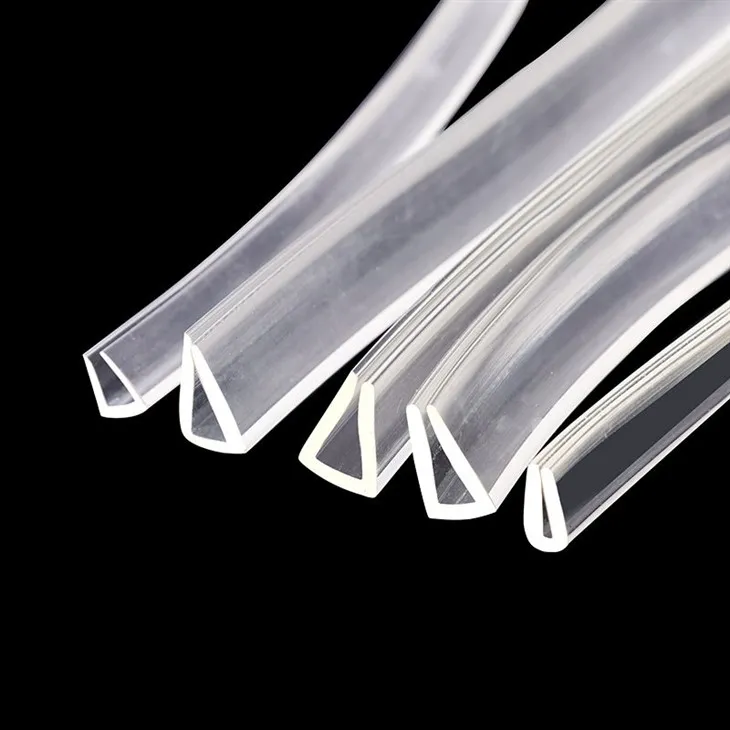
In the building and construction industry, H Seal Rubber is widely used for door and window seals. Door Seal EPDM is a popular choice for residential and commercial buildings, as it provides an effective barrier against rain, wind, and dust. It helps to improve energy efficiency by preventing heat loss and reducing the need for heating and cooling. In bathrooms, Pvc Sealing Strip for Bathroom can also be used in combination with H Seal Rubber to create a watertight environment, preventing water from leaking onto the floor and causing damage.
Automotive Industry
In the automotive industry, H Seal Rubber is used for various sealing applications, such as door seals, window seals, and trunk seals. It helps to keep water, dirt, and noise out of the vehicle's interior, providing a comfortable and quiet driving experience. The water - resistant properties of H Seal Rubber are particularly important in areas where the vehicle is exposed to rain, snow, or car washes.
Marine Applications
Marine environments are extremely harsh, with constant exposure to water, salt, and sunlight. H Seal Rubber is used in boats and ships for hatches, portholes, and other openings to prevent water from entering the vessel. Its water - resistant and corrosion - resistant properties make it an ideal choice for these applications, ensuring the safety and integrity of the marine structure.
Testing the Water Resistance of H Seal Rubber
To ensure the quality and performance of H Seal Rubber, various testing methods are used. One common test is the water immersion test, where the seal is submerged in water for a specified period of time, and the amount of water absorbed is measured. Another test is the water spray test, which simulates the conditions of rain or high - pressure water jets. The seal is exposed to a controlled water spray, and its ability to prevent water penetration is evaluated.
Maintenance and Longevity of Water - Resistant H Seal Rubber
Proper maintenance can extend the lifespan of H Seal Rubber and maintain its water - resistant properties. Regular cleaning with a mild detergent and water can remove dirt, grime, and other contaminants that may affect the seal's performance. Avoid using harsh chemicals or abrasive cleaners, as these can damage the rubber. Additionally, inspecting the seal regularly for signs of wear, tear, or damage and replacing it when necessary can ensure continued water - tightness.
Conclusion
The water resistance of H Seal Rubber is a critical factor in its performance and suitability for various applications. Whether it's in building construction, automotive, or marine industries, the ability to prevent water ingress is essential for protecting structures, equipment, and components. As a supplier of H Seal Rubber, we are committed to providing high - quality products that meet the strictest standards of water resistance. If you're in need of reliable H Seal Rubber for your project, don't hesitate to contact us for a consultation and to discuss your specific requirements. Our team of experts is ready to assist you in finding the perfect sealing solution for your needs.
References
- "Handbook of Rubber Technology" by K. George Thomas
- "Sealing Technology Handbook" by John P. Carley