

Hey there! As a supplier of D-shaped rubber seals, I get asked all the time about what materials go into making these handy little things. So, I thought I'd take a few minutes to break it down for you.
Let's start with the most common materials you'll find in D-shaped rubber seals. Each material has its own unique properties that make it suitable for different applications.
EPDM Rubber
EPDM, or ethylene propylene diene monomer, is a super popular choice for D-shaped rubber seals, and it's easy to see why. One of the biggest advantages of EPDM is its excellent weather resistance. It can handle exposure to UV rays, ozone, and extreme temperatures without degrading quickly. So, if you're looking for a seal that can stand up to the elements, EPDM is a great option.
It also has good resistance to water and steam, which makes it ideal for use in plumbing and HVAC systems. For instance, in a window or door seal, EPDM can keep out rain, wind, and drafts, helping to improve energy efficiency in your home or building.
If you're interested in EPDM rubber D-shaped seals, you can check out our EPDM Rubber D Shape Profile product page. There, you'll find all the details about the specifications and benefits of our EPDM D-shaped seals.

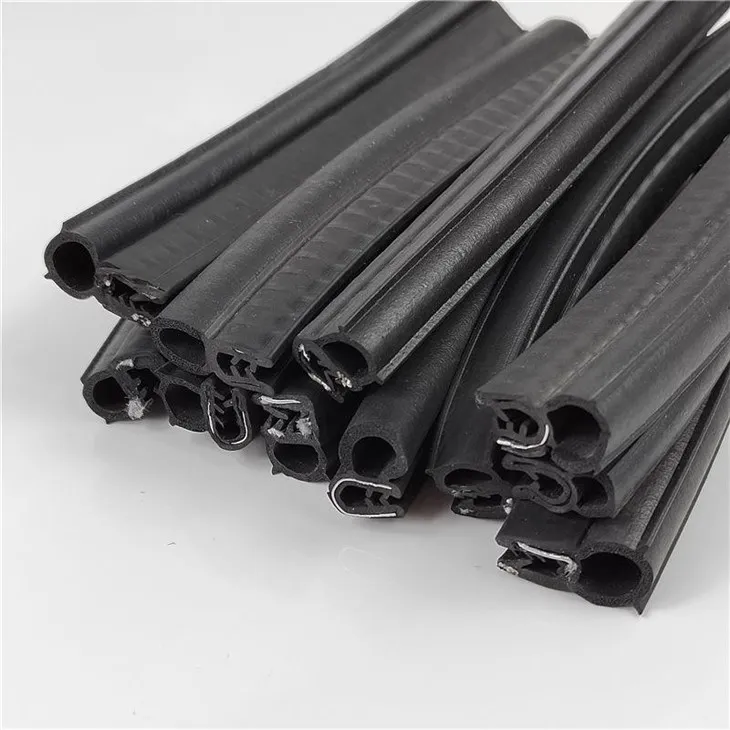
Silicone Rubber
Silicone rubber is another top - tier material for D-shaped seals. It's known for its high - temperature resistance, which means it can maintain its flexibility and sealing properties even in very hot environments. This makes it perfect for use in automotive engines, industrial ovens, and other high - heat applications.
Silicone also has great electrical insulation properties. So, you'll often see it used in electrical enclosures to prevent moisture and dust from getting in and causing short - circuits. On top of that, it's non - toxic and has good biocompatibility, so it can be used in food and medical applications as well. For example, in some food processing equipment, D-shaped silicone seals ensure that the machinery is leak - free and hygienic.
Neoprene Rubber
Neoprene, or polychloroprene, is a versatile synthetic rubber. It has good oil and chemical resistance, which makes it a great choice for applications where the seal might come into contact with lubricants, fuels, or other chemicals. In the automotive industry, neoprene D-shaped seals are commonly used in engines and transmissions to prevent oil leaks.
Neoprene also has excellent flame resistance, adding an extra layer of safety in certain applications. It's a tough and durable material that can withstand a lot of wear and tear over time.
Nitrile Rubber
Nitrile rubber, or NBR, is well - known for its oil and fuel resistance. If you're dealing with systems that involve petroleum - based products, like in the aviation or marine industries, nitrile D-shaped seals are a go - to option. They can prevent leakage of oils, fuels, and hydraulic fluids, ensuring the safe and efficient operation of equipment.
It also has good abrasion resistance, so it can handle friction and rubbing without wearing out quickly. This makes it suitable for use in moving parts where a seal needs to maintain its integrity under constant movement.
PVC
PVC, or polyvinyl chloride, is a cost - effective option for D-shaped rubber seals. It's rigid enough to maintain its shape but still has some flexibility. PVC seals are often used in less demanding applications where the main requirements are basic sealing and protection against dust and moisture.
They're commonly found in window frames and doors for residential and commercial buildings. If you're interested in PVC seals, you can take a look at our Pvc Seal Strip product page to see what we have to offer.
Other Specialty Materials
There are also some specialty materials that can be used to make D-shaped rubber seals for very specific applications. For example, fluorocarbon rubber (FKM) is extremely resistant to high temperatures, chemicals, and fuels. It's often used in aerospace and chemical processing industries where the seals need to withstand harsh conditions.
Another specialty material is butyl rubber. Butyl rubber has excellent air and gas tightness, which makes it ideal for applications where preventing the escape of gases is crucial, like in tire inner tubes or medical packaging.
Choosing the Right Material
So, how do you choose the right material for your D-shaped rubber seal? Well, it all depends on the application. Here are a few factors to consider:
- Environmental Conditions: If the seal will be exposed to sunlight, rain, or extreme temperatures, EPDM or silicone might be the best choice. For applications involving chemicals or oils, neoprene or nitrile would be more suitable.
- Temperature Requirements: High - heat applications call for silicone or fluorocarbon rubber, while lower - temperature applications can work with materials like EPDM or PVC.
- Cost: If you're on a budget, PVC can be a great option. But if you need a high - performance seal for a critical application, investing in a more expensive material like FKM might be worth it in the long run.
Our Product Range
We, as a D-shaped rubber seal supplier, offer a wide range of seals made from different materials to meet your diverse needs. Whether you're looking for a simple PVC seal for your home windows or a high - performance EPDM seal for an industrial project, we've got you covered.
In addition to our standard products, we also offer custom - made D-shaped rubber seals. If you have specific requirements in terms of size, shape, or material properties, our team of experts can work with you to develop the perfect solution. Check out our Hot Selling EPDM Special Type Sealing Rubber Strips for Curtain Wall product, which is a great example of our high - quality custom - engineered seals.
Contact Us for Procurement
If you're interested in purchasing D-shaped rubber seals, we'd love to hear from you. We can provide you with detailed product specifications, samples, and competitive pricing. Whether you're a small business or a large corporation, we have the capacity and expertise to meet your procurement needs. So, don't hesitate to reach out and start a conversation with us about your D-shaped rubber seal requirements.
References
- "Rubber Technology and Manufacture" by Maurice Morton
- "Handbook of Elastomers" by P. K. Majumdar