

As a seasoned supplier of Wet Wipes Plastic Lids, I often encounter inquiries regarding the temperature resistance of these essential components. Understanding the temperature resistance of wet wipes plastic lids is crucial for ensuring the integrity and functionality of wet wipes products, especially considering the diverse environmental conditions they may be exposed to during storage and use. In this blog post, I will delve into the factors that influence the temperature resistance of wet wipes plastic lids, the typical temperature ranges they can withstand, and the implications for product quality and performance.
Factors Influencing Temperature Resistance
The temperature resistance of wet wipes plastic lids is primarily determined by the type of plastic material used in their manufacturing. Different plastics have varying chemical structures and physical properties, which directly affect their ability to withstand high and low temperatures without deforming, cracking, or losing their sealing capabilities.
One of the most commonly used plastics for wet wipes lids is polypropylene (PP). Polypropylene is a thermoplastic polymer known for its excellent chemical resistance, high melting point, and good mechanical properties. It can typically withstand temperatures ranging from -20°C to 120°C (-4°F to 248°F), making it suitable for a wide range of applications, including wet wipes packaging. PP lids are resistant to moisture, chemicals, and UV radiation, ensuring that the wet wipes inside the container remain fresh and protected.
Another plastic material used for wet wipes lids is polyethylene (PE). Polyethylene is a versatile polymer that comes in different densities, such as low-density polyethylene (LDPE) and high-density polyethylene (HDPE). LDPE has a lower melting point and is more flexible than HDPE, while HDPE is more rigid and has better chemical resistance. PE lids can generally withstand temperatures between -40°C to 80°C (-40°F to 176°F), depending on the specific grade and formulation.
In addition to the plastic material, the design and thickness of the wet wipes plastic lid also play a role in its temperature resistance. Lids with thicker walls and reinforced structures are generally more resistant to temperature changes and are less likely to deform or crack under stress. The presence of features such as hinges, seals, and snap-fit closures can also affect the lid's ability to maintain a tight seal at different temperatures.
Typical Temperature Ranges
The temperature resistance of wet wipes plastic lids can vary depending on the specific product and its intended use. In general, most wet wipes lids are designed to withstand normal storage and transportation temperatures, which typically range from -20°C to 40°C (-4°F to 104°F). This temperature range ensures that the wet wipes remain in good condition and that the lid maintains its sealing integrity.
However, in some cases, wet wipes may be exposed to extreme temperatures, either during storage or use. For example, wet wipes stored in a hot car during the summer months may be subjected to temperatures as high as 60°C (140°F) or more. In such situations, it is important to choose a lid with a higher temperature resistance to prevent the lid from deforming or melting, which could compromise the quality and safety of the wet wipes.
On the other hand, wet wipes used in cold environments, such as in refrigerators or freezers, may be exposed to temperatures below freezing. In these cases, the lid should be able to withstand low temperatures without becoming brittle or cracking, which could lead to leakage or contamination of the wet wipes.
Implications for Product Quality and Performance
The temperature resistance of wet wipes plastic lids has a direct impact on the quality and performance of the wet wipes product. A lid that can withstand a wide range of temperatures ensures that the wet wipes inside the container remain fresh, moist, and free from contamination. It also helps to maintain the integrity of the packaging, preventing the wet wipes from drying out or leaking.
At high temperatures, a lid with poor temperature resistance may deform or melt, causing the wet wipes to dry out or become exposed to air and contaminants. This can lead to a decrease in the quality and effectiveness of the wet wipes, as well as a potential health risk for the user. On the other hand, a lid that is too rigid or brittle at low temperatures may crack or break, allowing moisture to escape and the wet wipes to dry out.
In addition to the impact on product quality, the temperature resistance of wet wipes plastic lids can also affect the overall user experience. A lid that is easy to open and close, even at different temperatures, provides a convenient and hassle-free experience for the user. It also helps to ensure that the wet wipes are readily accessible and that the container can be securely sealed after each use.
Choosing the Right Wet Wipes Plastic Lid
When choosing a wet wipes plastic lid, it is important to consider the temperature resistance requirements of your product. If your wet wipes are likely to be exposed to extreme temperatures, such as in hot or cold environments, you should choose a lid made from a plastic material with a higher temperature resistance, such as polypropylene. You should also consider the design and thickness of the lid, as well as any additional features that may enhance its temperature resistance and sealing capabilities.
As a supplier of Wet Wipes Plastic Lids, we offer a wide range of products made from high-quality plastics, including polypropylene and polyethylene. Our lids are designed to withstand a wide range of temperatures and are available in different sizes, shapes, and colors to meet the specific needs of our customers. We also offer custom design and manufacturing services, allowing you to create a unique and innovative wet wipes packaging solution that stands out from the competition.

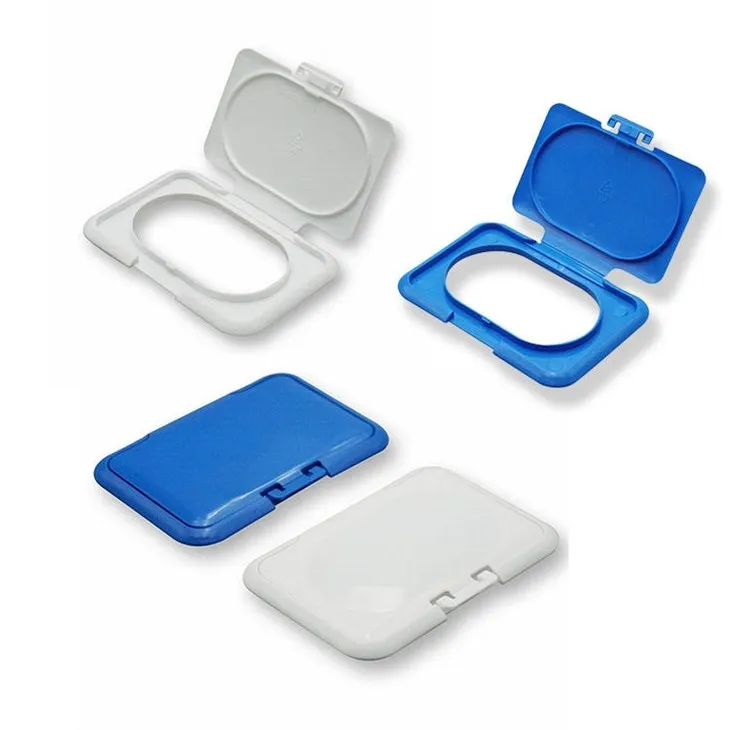
If you are interested in learning more about our Wet Wipes Plastic Lids or would like to discuss your specific requirements, please do not hesitate to contact us. We are committed to providing our customers with the highest quality products and services, and we look forward to the opportunity to work with you.
Conclusion
In conclusion, the temperature resistance of wet wipes plastic lids is an important factor to consider when choosing a packaging solution for your wet wipes product. By understanding the factors that influence temperature resistance, the typical temperature ranges, and the implications for product quality and performance, you can make an informed decision and choose a lid that meets your specific needs. As a supplier of Wet Wipes Plastic Lids, we are dedicated to providing our customers with high-quality products that are designed to withstand a wide range of temperatures and ensure the integrity and functionality of their wet wipes. Contact us today to learn more about our products and services and to discuss your wet wipes packaging requirements.
References
- "Plastics for Packaging Applications," Plastics Technology Handbook, 4th Edition, edited by Charles A. Harper.
- "Polypropylene: Properties, Processing, and Applications," by Christopher R. Martin and John A. Manson.
- "Polyethylene: Structure, Properties, and Applications," by L. H. Sperling.


