

Sound transmission class (STC) is a crucial metric when evaluating the acoustic performance of building materials, including silicone foam. As a leading supplier of silicone foam, I've witnessed firsthand the growing demand for materials that effectively reduce noise transmission. In this blog, I'll delve into what the sound transmission class of silicone foam is, how it's measured, and why it matters in various applications.
Understanding Sound Transmission Class
The sound transmission class is a single-number rating that represents how well a material or partition reduces airborne sound. It's determined by testing a material according to standardized procedures, typically ASTM E90 (for field measurements) or ASTM E413 (for laboratory measurements). The test involves placing the material between two rooms and measuring the sound levels in each room at different frequencies. The results are then plotted on a graph, and the STC rating is determined by comparing the curve to a standard reference contour.
The higher the STC rating, the better the material is at blocking sound. For example, a material with an STC rating of 30 will reduce the sound level by approximately 30 decibels (dB) at the frequencies where it performs best. In general, an STC rating of 25 to 30 is considered fair for reducing normal conversation noise, while a rating of 35 to 40 is good for reducing most common noises, and a rating of 45 or higher is excellent for providing a high level of sound insulation.
Sound Transmission Class of Silicone Foam
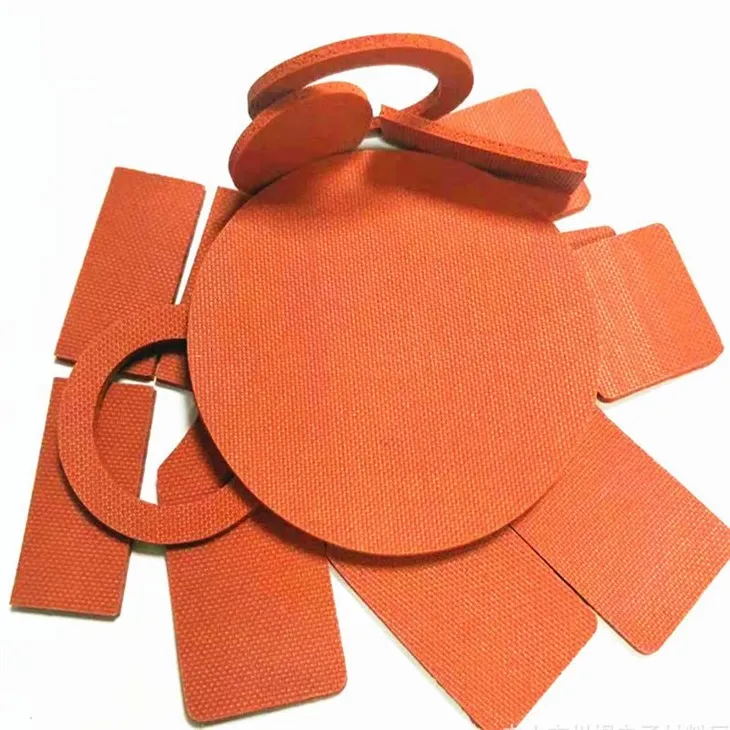
Silicone foam is a versatile material known for its excellent flexibility, durability, and resistance to extreme temperatures. When it comes to sound insulation, silicone foam can offer varying levels of performance depending on its density, thickness, and cell structure.
- Density: Generally, higher-density silicone foams tend to have better sound insulation properties. This is because the denser the material, the more mass it has to absorb and block sound waves. However, it's important to note that increasing density also affects other properties of the foam, such as its flexibility and compressibility.
- Thickness: Thicker silicone foams typically provide better sound insulation than thinner ones. This is because the additional thickness allows for more absorption and reflection of sound waves. However, there is a point of diminishing returns, where adding more thickness may not significantly improve the STC rating.
- Cell Structure: The cell structure of silicone foam can also impact its sound insulation performance. Closed-cell silicone foams, which have a more uniform and sealed cell structure, tend to be better at blocking airborne sound than open-cell foams. This is because the closed cells prevent sound waves from passing through the material easily.
On average, silicone foams can have an STC rating ranging from 20 to 40, depending on the factors mentioned above. For example, a thin, low-density open-cell silicone foam may have an STC rating of around 20, while a thick, high-density closed-cell silicone foam could achieve an STC rating of 40 or higher.
Applications of Silicone Foam Based on Sound Transmission Class
The sound transmission class of silicone foam makes it suitable for a wide range of applications where noise reduction is important. Here are some common examples:
- Building and Construction: Silicone foam can be used as a sealant or insulation material in walls, floors, and ceilings to reduce noise transmission between rooms or from the outside environment. For example, it can be installed around windows and doors to prevent air and sound leakage. You can find more information about Sponge Silicone Rubber on our website, which is a popular choice for building applications.
- Automotive Industry: In vehicles, silicone foam can be used to reduce engine noise, road noise, and wind noise. It can be applied to the engine compartment, doors, and interior panels to improve the overall acoustic comfort for passengers. Our Cellular Silicone Foam is often used in automotive applications due to its excellent sound insulation properties.
- Electronics: Silicone foam can be used to dampen vibrations and reduce noise in electronic devices, such as computers, televisions, and audio equipment. It can be placed around speakers or other components to prevent sound leakage and improve the audio quality. Check out our Silicone Rubber Foam for more details on its suitability for electronic applications.
- Aerospace Industry: In aircraft, silicone foam is used for soundproofing and vibration isolation. It can be installed in the cabin walls, floors, and ceilings to reduce the noise levels inside the aircraft and improve the comfort of passengers and crew.
Factors Affecting the Sound Transmission Class of Silicone Foam
In addition to density, thickness, and cell structure, several other factors can affect the sound transmission class of silicone foam:
- Installation: Proper installation is crucial for achieving the best sound insulation performance. Any gaps or voids in the installation can allow sound to leak through, reducing the overall effectiveness of the foam. It's important to ensure that the foam is installed tightly and securely, with no air gaps or seams.
- Frequency of Sound: The STC rating of a material is based on a standardized frequency range, typically from 125 Hz to 4000 Hz. However, the performance of silicone foam may vary at different frequencies. For example, a foam that performs well at blocking mid-frequency sounds may not be as effective at blocking low- or high-frequency sounds.
- Environmental Conditions: The temperature, humidity, and other environmental conditions can also affect the sound insulation performance of silicone foam. Extreme temperatures or high humidity levels can cause the foam to expand or contract, which may affect its density and cell structure, and ultimately its sound insulation properties.
Measuring the Sound Transmission Class of Silicone Foam
To determine the sound transmission class of silicone foam, it's necessary to conduct laboratory testing according to the relevant standards, such as ASTM E90 or ASTM E413. These tests involve setting up a test chamber with a sample of the foam installed between two rooms. A sound source is then used to generate a range of frequencies, and the sound levels are measured in both rooms using microphones. The results are analyzed to determine the STC rating of the foam.
It's important to note that the STC rating is just one measure of sound insulation performance. Other factors, such as the noise reduction coefficient (NRC), which measures the absorption of sound by a material, may also be relevant depending on the application.

Why Choose Our Silicone Foam for Sound Insulation
As a silicone foam supplier, we offer a wide range of products with different densities, thicknesses, and cell structures to meet the specific sound insulation requirements of our customers. Our silicone foams are manufactured using high-quality materials and advanced production techniques to ensure consistent performance and reliability.
- Customization: We understand that every application is unique, and we offer customization services to meet your specific needs. Whether you need a specific density, thickness, or cell structure, we can work with you to develop a silicone foam solution that provides the best sound insulation performance for your application.
- Quality Assurance: We have a strict quality control system in place to ensure that our silicone foams meet the highest standards of quality and performance. All our products are tested and certified to ensure that they meet the relevant industry standards and regulations.
- Technical Support: Our team of experts is available to provide technical support and advice on the selection and installation of our silicone foams. We can help you choose the right product for your application and provide guidance on how to achieve the best sound insulation performance.
Contact Us for Sound Insulation Solutions
If you're looking for a high-quality silicone foam solution for sound insulation, we'd love to hear from you. Whether you're in the building and construction, automotive, electronics, or aerospace industry, we have the expertise and products to meet your needs. Contact us today to discuss your requirements and learn more about how our silicone foams can help you achieve the best sound insulation performance.
References
- ASTM International. (2017). Standard Test Method for Laboratory Measurement of Airborne Sound Transmission Loss of Building Partitions and Elements (ASTM E90). West Conshohocken, PA: ASTM International.
- ASTM International. (2017). Classification for Rating Sound Insulation (ASTM E413). West Conshohocken, PA: ASTM International.
- Kinsler, L. E., Frey, A. R., Coppens, A. B., & Sanders, J. V. (2000). Fundamentals of Acoustics (4th ed.). New York, NY: Wiley.


