

As a supplier of rubber seal strip glue, I often receive inquiries from customers about the drying time of our product, especially under high - humidity conditions. Understanding the drying time is crucial for both installers and end - users, as it directly affects the efficiency of installation and the performance of the rubber seal strips.
The Basics of Rubber Seal Strip Glue Drying
Before delving into the impact of high humidity, it's important to understand the general process of glue drying. Rubber seal strip glue typically dries through a combination of evaporation and chemical curing. Evaporation involves the removal of solvents from the glue, while chemical curing is a reaction that causes the glue to harden and form a strong bond.
In normal conditions, with a relative humidity of around 40 - 60% and a temperature of 20 - 25°C (68 - 77°F), the drying time of our rubber seal strip glue can range from a few hours to a couple of days, depending on the type of glue and the thickness of the application. For thin layers of glue, the initial tack - free time might be as short as 1 - 2 hours, while full curing could take up to 24 - 48 hours.
Impact of High Humidity on Drying Time
High humidity, generally considered to be above 70% relative humidity, can significantly affect the drying process of rubber seal strip glue. When the air is saturated with moisture, the evaporation rate of solvents in the glue slows down. This is because the high moisture content in the air reduces the vapor pressure gradient between the glue surface and the surrounding air, making it more difficult for the solvents to escape.
As a result, the initial tack - free time can be extended. Instead of 1 - 2 hours in normal conditions, it might take 3 - 4 hours or even longer for the glue to become touch - dry. The full curing time is also affected. In high - humidity environments, the chemical curing reaction can be inhibited. Moisture can react with some of the components in the glue, preventing them from forming the strong cross - links necessary for a fully cured bond. This can lead to a situation where the glue remains soft and pliable for an extended period, sometimes up to several days.
Factors Affecting Drying in High Humidity
- Glue Type: Different types of rubber seal strip glue have different formulations, and they respond differently to high humidity. For example, water - based glues are generally more sensitive to high humidity because they already contain water as a solvent. In high - humidity conditions, the excess moisture in the air can prevent the water in the glue from evaporating properly. On the other hand, solvent - based glues may also be affected, but the impact might be less severe as long as the solvents have a relatively low affinity for water.
- Thickness of Application: The thicker the layer of glue applied, the longer it will take to dry, especially in high - humidity conditions. A thick layer of glue has more solvent to evaporate, and the moisture from the air can penetrate deeper into the glue, further slowing down the drying process.
- Ventilation: Good ventilation can help to mitigate the effects of high humidity. By constantly replacing the moist air around the glue with drier air, the evaporation rate can be increased. In a well - ventilated area, the drying time of the glue can be reduced compared to a poorly ventilated space, even in high - humidity conditions.
Strategies to Reduce Drying Time in High Humidity
- Use a Dehumidifier: If possible, use a dehumidifier in the installation area. A dehumidifier can remove moisture from the air, reducing the relative humidity to a more favorable level for glue drying. This can significantly speed up both the evaporation of solvents and the chemical curing process.
- Pre - dry the Surfaces: Before applying the glue, make sure the surfaces of the rubber seal strip and the substrate are dry. Wiping them with a dry cloth or using a heat gun on a low setting can help to remove any surface moisture, which can otherwise contribute to the high - humidity problem during the drying process.
- Choose the Right Glue: Select a glue that is specifically formulated to perform well in high - humidity conditions. Some glues are designed with additives that can resist the negative effects of moisture and still cure properly.
Applications of Rubber Seal Strip Glue
Our rubber seal strip glue is widely used in various applications, such as Door and Window Weather Stripping Tape, Rubber Seal for Doors and Windows, and Rubber Seal For Aluminum Windows. In these applications, understanding the drying time in high - humidity conditions is crucial for ensuring a proper installation.
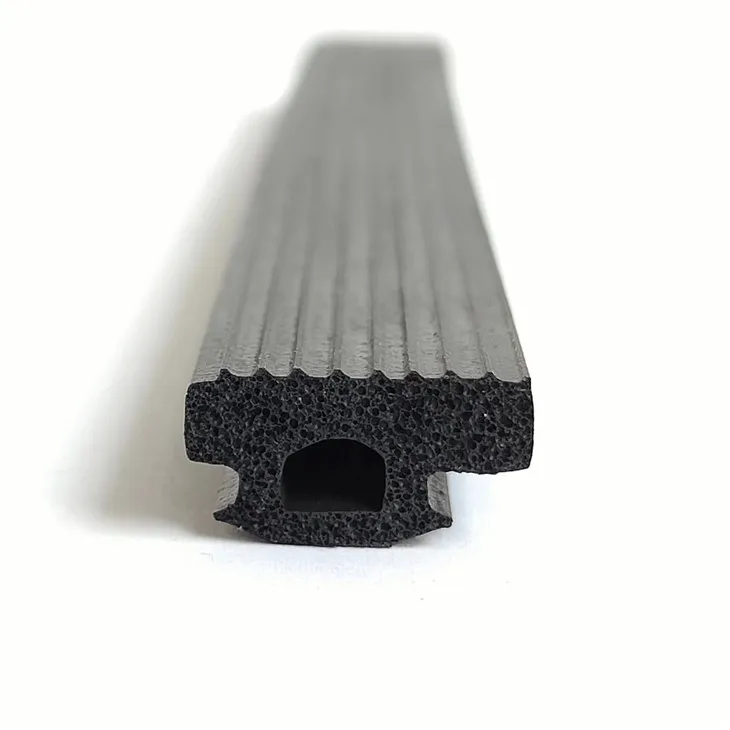

For door and window weather stripping, a proper seal is essential to prevent air and water leakage. If the glue does not dry properly due to high humidity, the seal may not be as effective, leading to energy loss and potential water damage. Similarly, for rubber seals in aluminum windows, a well - cured glue bond is necessary to maintain the integrity of the seal over time.
Conclusion
In conclusion, high humidity can have a significant impact on the drying time of rubber seal strip glue. The evaporation of solvents is slowed down, and the chemical curing process can be inhibited, leading to longer drying times and potentially weaker bonds. However, by understanding the factors that affect drying and implementing strategies such as using a dehumidifier, pre - drying surfaces, and choosing the right glue, it is possible to reduce the negative effects of high humidity.
If you are in need of high - quality rubber seal strip glue and have questions about its performance in high - humidity conditions or any other aspects of our product, we encourage you to contact us for a detailed discussion. Our team of experts is ready to assist you in finding the best solution for your specific needs.
References
- ASTM International. (Year). Standard test methods for determining the drying time of adhesives. ASTM D1640.
- Manufacturers' technical data sheets for rubber seal strip glue.


