

Yo, folks! I'm an honest - to - goodness biodegradable plastic supplier. I'm here to dish out the real deal on the challenges that come with getting biodegradable plastic widely used.
First up, let's talk about the cost factor. Biodegradable plastics are pricier than traditional ones. The materials and processes involved in making them are more complex. Traditional plastics are made from petroleum, which is relatively cheap and abundant. But biodegradable plastics are often derived from plants or other organic materials. The raw materials might not be as readily available in large quantities, and growing or sourcing them has its own set of costs. It takes a fair amount of investment in R & D to develop efficient production methods. As a supplier, I feel this pain too. When I'm trying to offer my Biodegradable Plastic Utensils, customers sometimes balk at the price. They're used to getting the cheaper, regular plastic ones, and convincing them to pay more for an eco - friendly option is no walk in the park.
Another big challenge is the lack of proper standards and certifications. There's a wild west situation out there when it comes to what can be labeled as "biodegradable." Different regions have different rules, and sometimes the claims on product labels can be misleading. Some products might say they're biodegradable, but in reality, they take a really long time to break down or only do so under very specific conditions. This confusion makes consumers skeptical. They don't know if they're really making an environmentally friendly choice. As a legitimate supplier, I have to go through a lot of hoops to get the right certifications for my Compostable Takeaway Containers. And even then, some customers still question the authenticity because of all the bad apples in the market.
The performance of biodegradable plastics is also a hurdle. Traditional plastics have been around for ages, and their properties are well - known. They're strong, durable, and can be used in a wide variety of applications. Biodegradable plastics, on the other hand, often don't measure up in terms of performance. For example, some biodegradable plastics might not be as heat - resistant as their traditional counterparts. This limits their use in certain industries, like food packaging where high - temperature sterilization might be required. I've had customers who were interested in my products but ended up going with traditional plastics because they needed something that could withstand harsh conditions.
Infrastructure is yet another major roadblock. For biodegradable plastics to break down properly, there needs to be a suitable environment. Most often, this means industrial composting facilities. But these facilities aren't as widespread as they should be. In many areas, there are simply no places where the biodegradable plastics can be disposed of in a way that allows them to decompose efficiently. If people just throw them in regular landfills, they might not break down at all. And let's not forget that even if there are composting facilities, the staff there need to be trained to handle biodegradable plastics correctly. It's a whole ecosystem that's still in the process of being built.
Consumer awareness is also a key issue. A lot of people still don't fully understand what biodegradable plastics are and why they're important. They might not know the difference between biodegradable and regular plastics. And even if they do, old habits die hard. People are used to the convenience of traditional plastics. They're everywhere, and it's easy to just grab a plastic bag or a plastic straw. Convincing them to switch to biodegradable options requires a lot of education. As a supplier, I try to do my part by providing information about my products, but it's a slow process.
There's also the competition from other eco - friendly alternatives. There are things like paper products, glass, and metal that are also considered more environmentally friendly. These materials have their own advantages, like being more recyclable or having a longer history of use. For example, paper bags are often seen as a go - to alternative for plastic bags. And when it comes to food storage, glass containers are a popular choice. This competition makes it harder for biodegradable plastics to gain a large market share.
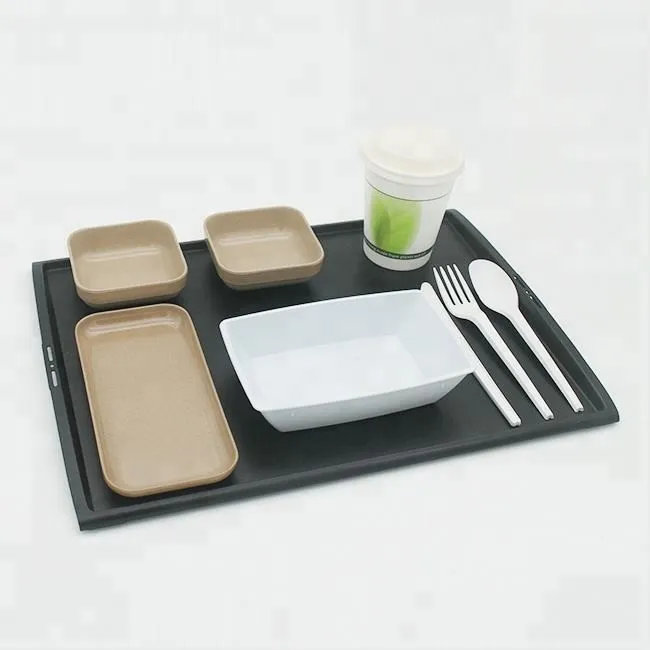

As a biodegradable plastic supplier, I'm constantly trying to overcome these challenges. I work on finding ways to reduce the cost of production without sacrificing quality. I'm also involved in advocating for better standards and certifications in the industry. I'm always looking for ways to improve the performance of my products so they can compete with traditional plastics. And I do my bit to raise consumer awareness by providing clear information about my ABS Portable Cat Dog Poop Shovel and other items.
If you're interested in making the switch to biodegradable plastics, I'd love to have a chat with you. Whether you're a business owner looking for sustainable packaging solutions or an individual who wants to make more eco - friendly choices, I'm here to help. Let's work together to overcome these challenges and make biodegradable plastics the norm.
References
- Various industry reports on biodegradable plastics
- Studies on consumer behavior towards eco - friendly products
- Research on the performance and production costs of biodegradable plastics