

Hey there! I'm a supplier of rubber seal gasket strips, and I know it can be a bit tricky to figure out how to measure these things correctly. But don't worry, I'm here to break it down for you in a super easy way.
First off, why is measuring a rubber seal gasket strip so important? Well, if you get the measurements wrong, the gasket might not fit properly. A poorly - fitting gasket can lead to all sorts of problems, like leaks in pipes or gaps in machinery. And that can cause damage, waste resources, and even lead to safety issues. So, getting those measurements right is crucial.
Measuring the Length
Let's start with the length. This is usually the most straightforward measurement. You'll need a flexible measuring tape. Just lay the tape along the gasket strip from one end to the other. Make sure the tape follows the exact path of the gasket, especially if it's a curved or irregular - shaped strip.
For example, if you're measuring a gasket for a circular pipe, wrap the measuring tape around the pipe where the gasket will sit. Mark the point where the tape meets itself, and then measure the length of the tape from the starting point to the marked point. This will give you the correct length for your gasket.
If you have a long, straight gasket, you can simply stretch the measuring tape along it. Make sure it's not twisted or bent, as this can give you an inaccurate measurement. And don't forget to measure to the nearest millimeter or fraction of an inch, depending on your preference.
Measuring the Width
The width of the gasket strip is also important. The width is the measurement from one side of the gasket to the other, perpendicular to the length. To measure the width, place the measuring tape at the widest part of the gasket.
Sometimes, gaskets have a tapered width, meaning it gets thinner or thicker along its length. In this case, you'll need to measure the width at several points along the gasket and note down the minimum and maximum widths. This will help you make sure the gasket will fit properly in its intended application.
Measuring the Thickness
Measuring the thickness is a bit more delicate. You can use a caliper for this. A caliper is a tool that can measure small distances very accurately. Gently place the caliper jaws on either side of the gasket, making sure not to compress the gasket too much. Compressing the gasket can give you a false measurement.
If you don't have a caliper, you can use a ruler, but it won't be as accurate. Place the ruler on top of the gasket and measure the distance from the surface to the bottom of the gasket. Just be careful to hold the ruler straight and make sure it's touching the gasket evenly.
Special Considerations for Different Types of Gaskets
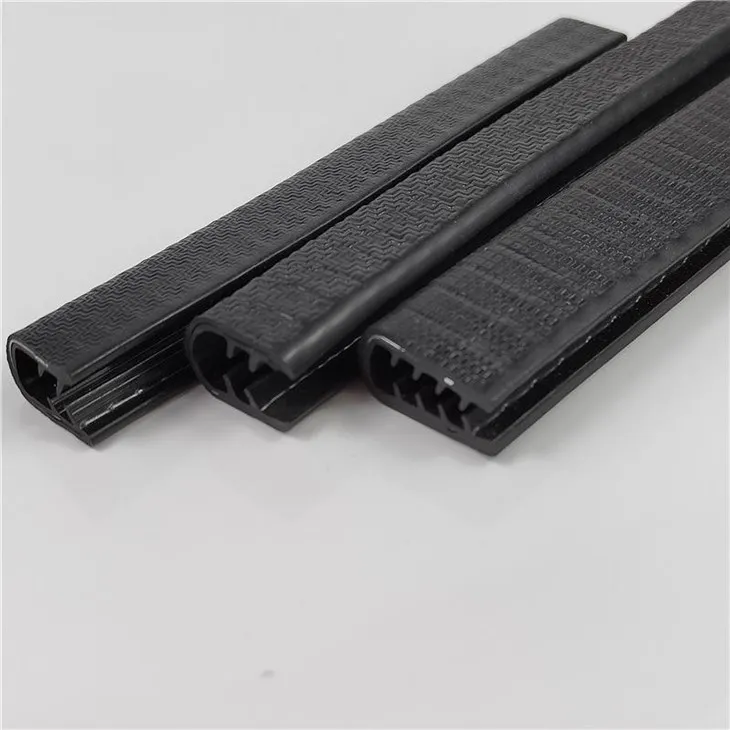
Now, different types of rubber seal gasket strips might require some special considerations. For example, if you're dealing with an Extruded Silicone Gasket, it might have a different texture or flexibility compared to other types of gaskets.
Silicone gaskets are known for their high - temperature resistance and flexibility. When measuring them, be extra careful not to stretch the gasket too much, as this can change its dimensions. Also, silicone gaskets can be a bit slippery, so make sure your measuring tools are firmly in place.
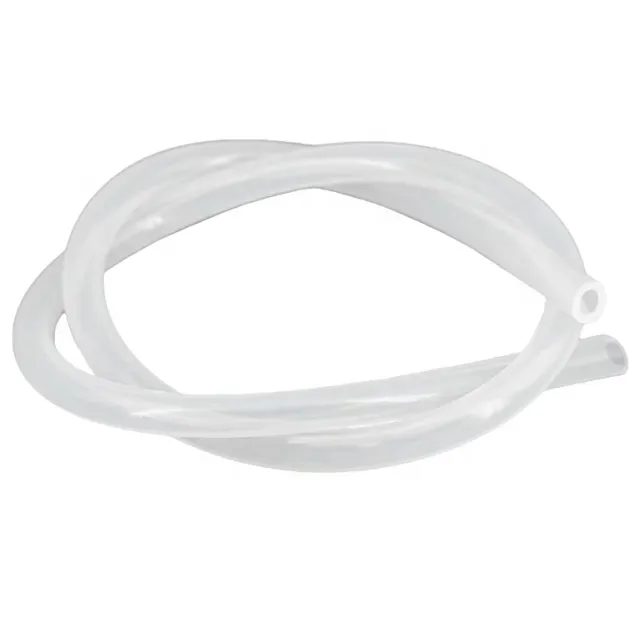
Another type is the Silicone Rubber Tube. Measuring a tube - shaped gasket is similar to measuring a circular gasket, but you also need to measure the inner and outer diameters. You can use a caliper to measure the inner diameter by placing the caliper jaws inside the tube and gently closing them until they touch the inner walls. For the outer diameter, wrap the measuring tape around the tube or use the caliper on the outside of the tube.
Black Silicone Rubber gaskets are also popular. They have similar measurement requirements as other silicone gaskets, but the black color might make it a bit harder to see the markings on your measuring tools. Make sure you have good lighting when measuring these gaskets.
Double - Checking Your Measurements
Once you've taken all the measurements, it's a good idea to double - check them. Measure each dimension at least twice to make sure you get the same result. If the measurements are different, measure a third time to confirm which one is correct.
You can also compare your measurements with the specifications provided by the manufacturer, if available. This can help you catch any errors and ensure that you're getting the right gasket for your needs.
Using the Measurements to Order the Right Gasket
Now that you have your measurements, you're ready to order the right gasket. When you contact a supplier (like me!), provide them with the accurate length, width, thickness, and any other relevant details, such as the minimum and maximum widths if the gasket is tapered.
Make sure to also tell the supplier about the application where the gasket will be used. For example, if it's for a high - pressure environment or a chemical - resistant application, the supplier can recommend the right type of rubber and the appropriate gasket design.
Conclusion
Measuring a rubber seal gasket strip might seem complicated at first, but with the right tools and a bit of practice, it becomes a breeze. Remember to measure the length, width, and thickness accurately, and take into account any special considerations for different types of gaskets.
If you're still unsure about how to measure your gasket or need help choosing the right one, don't hesitate to reach out. As a supplier of rubber seal gasket strips, I'm here to assist you. Whether you have a small project or a large - scale industrial application, I can provide you with high - quality gaskets that fit your exact measurements.
So, if you're in the market for a rubber seal gasket strip, get your measurements ready and contact me. I'll work with you to make sure you get the perfect gasket for your needs. Let's get your project running smoothly with the right gasket!
References
- Handbook of Sealants and Gaskets
- Rubber Technology: Compounding, Mixing, and Vulcanization