

Maintaining H Seal Rubber is crucial for ensuring its long - lasting performance and functionality. As a trusted H Seal Rubber supplier, we understand the significance of proper maintenance, and in this blog, we will share some effective ways to keep your H Seal Rubber in top - notch condition.
1. Understanding H Seal Rubber
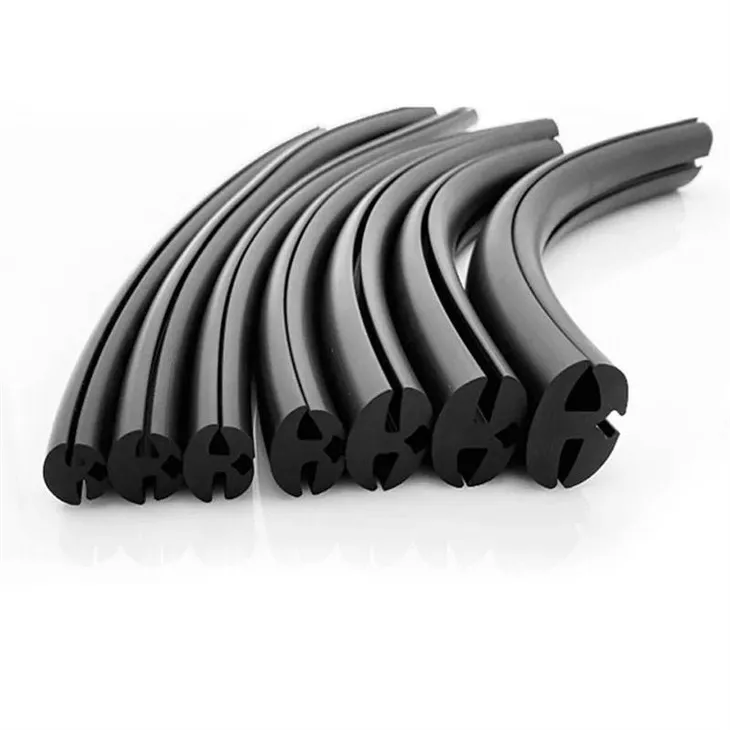
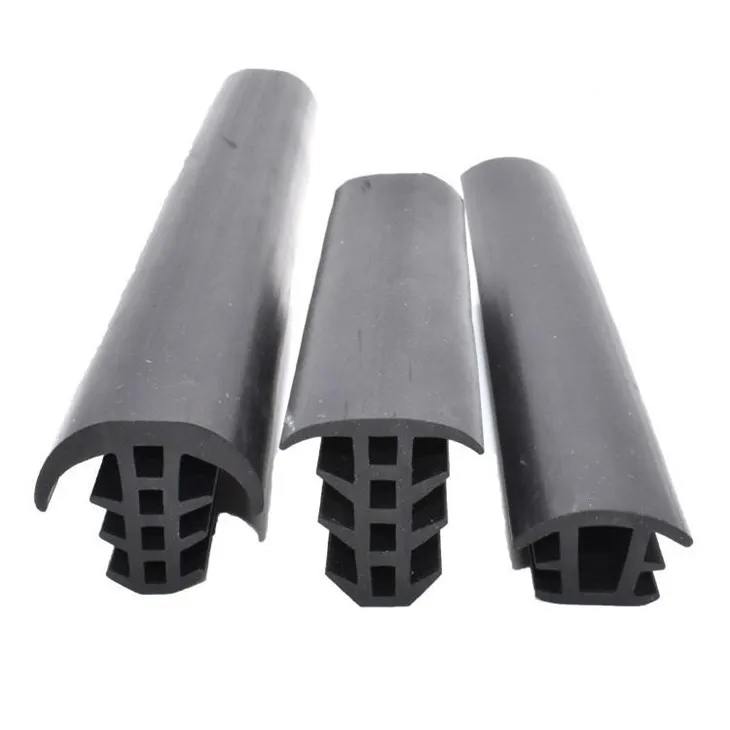
H Seal Rubber is a specialized type of sealing material commonly used in various applications, especially in the construction and automotive industries. Its unique "H" shape allows it to fit snugly into specific channels and provide an excellent seal against air, water, dust, and noise. This rubber seal is often exposed to different environmental conditions, which can gradually affect its performance if not properly maintained.
2. Regular Cleaning
One of the simplest yet most effective ways to maintain H Seal Rubber is through regular cleaning. Over time, dirt, dust, and debris can accumulate on the surface of the seal, which not only makes it look unattractive but can also cause abrasion and damage to the rubber.
- Use the Right Cleaning Agents: Avoid using harsh chemicals or abrasives when cleaning H Seal Rubber. These can break down the rubber's structure and cause it to deteriorate prematurely. Instead, use a mild soap and water solution. Mix a small amount of gentle dish soap with warm water in a spray bottle.
- Cleaning Process: Spray the soapy water onto the H Seal Rubber and use a soft - bristled brush or a microfiber cloth to gently scrub the surface. Pay attention to the crevices and corners where dirt may accumulate. Rinse the seal thoroughly with clean water to remove all the soap residue. After cleaning, dry the seal with a clean, soft cloth to prevent water from getting trapped and causing mold or mildew growth.
3. Protection from Extreme Temperatures
H Seal Rubber can be sensitive to extreme temperatures, both hot and cold. Extreme heat can cause the rubber to become soft and lose its shape, while extreme cold can make it brittle and prone to cracking.
- In Hot Environments: If the H Seal Rubber is installed in an area where it is exposed to high temperatures, such as near a furnace or in direct sunlight, consider using heat - resistant coatings or shields. Some heat - resistant sprays can be applied to the rubber to provide an extra layer of protection. Additionally, try to provide ventilation in the area to reduce the temperature around the seal.
- In Cold Environments: In cold climates, you can apply a rubber protectant or conditioner. These products help to keep the rubber flexible and prevent it from hardening. It is also a good idea to check the seal regularly for any signs of cracking during the winter months and repair any damage as soon as possible.
4. Avoiding Abrasion and Physical Damage
The H Seal Rubber can be easily damaged by physical contact with sharp objects or rough surfaces. To prevent abrasion and physical damage:
- Proper Installation: During the installation process, make sure the H Seal Rubber is properly seated in its channel. A misaligned or poorly installed seal can be more prone to damage from rubbing against other components.
- Limit Contact with Sharp Edges: Avoid placing sharp objects near the H Seal Rubber. If there are any sharp edges or protrusions in the vicinity of the seal, consider using protective covers or padding to prevent the rubber from coming into contact with them.
- Be Gentle during Handling: When working around the H Seal Rubber, handle it with care. Do not pull or tug on the seal forcefully, as this can cause it to stretch or tear.
5. Lubrication
Lubricating the H Seal Rubber can help to reduce friction and wear, especially in applications where the seal is subject to movement.
- Choose the Right Lubricant: Select a lubricant that is compatible with rubber. Silicone - based lubricants are often a good choice as they are gentle on the rubber and provide long - lasting lubrication. Avoid using petroleum - based lubricants, as they can cause the rubber to swell and degrade.
- Lubrication Process: Apply a small amount of the lubricant to a clean cloth and then gently rub it onto the surface of the H Seal Rubber. Make sure to cover all the areas of the seal, especially the parts that come into contact with other surfaces. However, do not over - lubricate, as this can attract dirt and debris.
6. Regular Inspection
Regular inspection is essential for early detection of any signs of damage or wear. By identifying problems early, you can take corrective action before they become more serious and costly to repair.
- Visual Inspection: Periodically examine the H Seal Rubber for any visible signs of damage, such as cracks, tears, or deformation. Check the edges and corners of the seal for any signs of fraying.
- Functional Inspection: In addition to visual inspection, also test the functionality of the H Seal Rubber. For example, if it is used as a window seal, check for any air or water leakage. If there are any issues, it may be necessary to replace the seal or make minor repairs.
7. Related Products and Their Maintenance
As a supplier, we also offer other related rubber sealing products, such as Isobaric Composite Foam Rubber Strip, Rubber Seal For Aluminum Windows, and Door Window Seal Strip. The maintenance principles for these products are similar to those for H Seal Rubber. Regular cleaning, protection from extreme conditions, and avoiding physical damage are key to ensuring their long - term performance.
8. Contact for Purchase and Consultation
If you are in need of high - quality H Seal Rubber or any of our other rubber sealing products, we are here to assist you. We have a wide range of products to meet your specific requirements, and our team of experts can provide you with professional advice on product selection, installation, and maintenance. Whether you are a contractor, a builder, or a DIY enthusiast, we can offer you the best solutions for your sealing needs. Contact us today to start a purchase negotiation and take the first step towards a more effective sealing solution.
References
- "Handbook of Rubber Technology" by Maurice Morton
- "Sealing Technology Handbook" edited by John H. Bickford