

Silicone foam is a versatile and widely used material known for its excellent properties such as high temperature resistance, flexibility, and good insulation. As a silicone foam supplier, I understand the importance of handling this material safely to ensure the well - being of users and the quality of the final products. In this blog, I will share some essential guidelines on how to handle silicone foam safely.
Understanding Silicone Foam
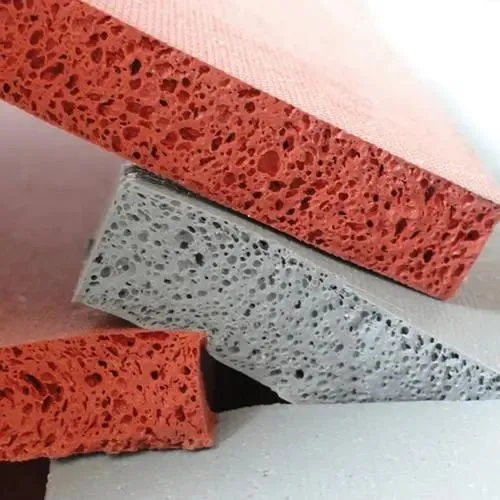
Before delving into the handling procedures, it's crucial to have a basic understanding of silicone foam. Silicone foam comes in various forms, including Silicone Expanding Foam, Black Silicone Sponge, and Cellular Silicone Foam. Each type has its unique characteristics and applications. For example, silicone expanding foam is often used for sealing and insulation purposes, while black silicone sponge is popular in industries where a dark - colored, soft, and flexible material is required. Cellular silicone foam, with its porous structure, is suitable for applications that need good shock absorption and cushioning.
Storage
Proper storage is the first step in safe handling of silicone foam. Silicone foam should be stored in a cool, dry place away from direct sunlight and sources of heat. High temperatures can cause the foam to degrade, losing its physical properties and potentially releasing harmful substances. The ideal storage temperature range is typically between 10°C and 30°C.
It's also important to protect the foam from moisture. Moisture can lead to mold growth on the surface of the foam, which not only affects its appearance but also its performance. Store the silicone foam in sealed containers or packaging to prevent moisture ingress. Additionally, keep the foam away from chemicals that may react with it. Some solvents, acids, and alkalis can damage the silicone foam, so it's essential to store it separately from such substances.

Handling during Transportation
When transporting silicone foam, special care should be taken to prevent damage. The foam should be packed in sturdy boxes or crates to protect it from impacts and compression. Use appropriate cushioning materials, such as bubble wrap or foam inserts, to further safeguard the foam during transit.
Avoid stacking heavy objects on top of the silicone foam, as excessive pressure can deform the foam and affect its shape and performance. During loading and unloading, handle the packages gently to prevent rough handling that could cause tears or cuts in the foam. If the silicone foam is being transported in large quantities, ensure that the vehicle is well - ventilated to prevent the build - up of any potentially harmful vapors.
Personal Protective Equipment (PPE)
When working with silicone foam, wearing the appropriate personal protective equipment is essential. Gloves should be worn to protect the hands from direct contact with the foam. Some people may be allergic to the materials used in silicone foam, and wearing gloves can prevent skin irritation. Nitrile or latex gloves are suitable options, depending on personal preference and the nature of the work.
Safety glasses should also be worn to protect the eyes from any particles that may be released during cutting, trimming, or other processing operations. In some cases, a dust mask may be required, especially when working with powdered silicone foam or when there is a risk of generating dust during processing. The dust mask helps to prevent inhalation of any potentially harmful particles.
Processing and Fabrication
During processing and fabrication of silicone foam, follow the manufacturer's instructions carefully. When cutting the foam, use sharp tools to ensure clean cuts. Dull tools can cause the foam to tear, resulting in an uneven edge and potentially damaging the internal structure of the foam.
If the silicone foam needs to be bonded to other materials, use adhesives that are compatible with silicone. Incompatible adhesives can cause the foam to delaminate or lose its adhesion over time. When using heat - based processing methods, such as heat - sealing or molding, ensure that the temperature and time settings are within the recommended range for the specific type of silicone foam. Excessive heat can cause the foam to burn or release toxic fumes.
Waste Disposal
Proper waste disposal is an important aspect of safe handling. Silicone foam waste should be disposed of in accordance with local environmental regulations. Some types of silicone foam can be recycled, so it's worth checking if there are any recycling facilities in your area that accept silicone foam.
If the foam cannot be recycled, it should be disposed of as non - hazardous waste in most cases. However, if the foam has been contaminated with chemicals or other substances during its use, it may need to be treated as hazardous waste. In such cases, consult with a professional waste disposal company to ensure proper and safe disposal.
Emergency Response
Despite taking all the necessary precautions, emergencies can still occur. In case of a fire involving silicone foam, use a dry chemical fire extinguisher. Water should not be used, as it may spread the fire or cause damage to the surrounding area.
If someone comes into contact with silicone foam and experiences an allergic reaction or other health problems, immediately remove the affected person from the source of exposure. Wash the affected area with plenty of water and seek medical attention if the symptoms persist.
Quality Control
As a silicone foam supplier, I also emphasize the importance of quality control. Regularly test the silicone foam for its physical and chemical properties to ensure that it meets the required standards. This includes testing for density, hardness, tensile strength, and resistance to environmental factors.
By maintaining high - quality standards, we can ensure that the silicone foam is safe to use and performs well in various applications. Quality control also helps to identify any potential issues early on, allowing us to take corrective actions and prevent problems during storage, transportation, and use.
Conclusion
Handling silicone foam safely is a multi - faceted process that involves proper storage, transportation, use of personal protective equipment, correct processing methods, and appropriate waste disposal. By following these guidelines, users can minimize the risks associated with silicone foam and ensure its optimal performance.
If you are in need of high - quality silicone foam for your projects, whether it's Silicone Expanding Foam, Black Silicone Sponge, or Cellular Silicone Foam, feel free to contact us for more information and to discuss your specific requirements. We are committed to providing you with safe, reliable, and high - performance silicone foam products.
References
- "Silicone Foam: Properties and Applications" - Industry Handbook on Specialty Polymers
- "Safety Guidelines for Handling Polymer Materials" - Occupational Safety and Health Administration (OSHA)
- Manufacturer's product manuals for silicone foam products