

Removing sticky residue from a baby wipes lid can be a frustrating task, but with the right methods, it can be accomplished effectively. As a supplier of Baby Wipes Lid, I've encountered various scenarios related to these lids, and I'm here to share some practical solutions.
Understanding the Sticky Residue
Before we dive into the removal methods, it's essential to understand what causes the sticky residue on baby wipes lids. Typically, the residue can come from a few sources. Firstly, the adhesive used to seal the lid during the manufacturing process might leave some remnants. Secondly, if the baby wipes have a certain type of moisture - retaining agent or fragrance, it can sometimes seep out and create a sticky film on the lid over time. Thirdly, accidental spills of substances like baby lotion or food can also contribute to the stickiness.
Tools and Materials You'll Need
To remove the sticky residue, you'll need a few common household items. These include:
- Rubbing alcohol or isopropyl alcohol: It's a great solvent for breaking down sticky substances.
- White vinegar: A natural and gentle alternative to chemical solvents.
- Baking soda: Can be used to create a mild abrasive paste.
- Microfiber cloths: Soft and absorbent, they won't scratch the lid.
- Cotton balls or swabs: Useful for getting into small crevices.
- Dish soap: To clean the lid after the residue is removed.
Removal Methods
Using Rubbing Alcohol
Rubbing alcohol is one of the most effective ways to remove sticky residue. Here's how you can do it:
- Moisten a cotton ball or a corner of a microfiber cloth with rubbing alcohol.
- Gently rub the sticky area on the baby wipes lid. Start with a small, inconspicuous spot to make sure the alcohol doesn't damage the lid's surface.
- As you rub, the sticky residue will start to dissolve. Keep applying more alcohol as needed and continue rubbing until the residue is completely removed.
- Once the residue is gone, clean the lid with a damp cloth and a small amount of dish soap to remove any remaining alcohol and residue particles.
- Dry the lid thoroughly with a clean microfiber cloth.
White Vinegar Method
White vinegar is a natural and eco - friendly option. Here's the process:
- Mix equal parts of white vinegar and water in a small bowl.
- Dip a microfiber cloth into the vinegar solution and wring it out slightly so it's damp but not dripping.
- Rub the sticky area on the lid with the damp cloth. The acidic nature of vinegar helps to break down the sticky residue.
- If the residue is stubborn, you can soak a cotton ball in the vinegar solution and let it sit on the sticky spot for a few minutes before rubbing.
- After the residue is removed, rinse the lid with clean water and dry it with a cloth.
Baking Soda Paste
Baking soda can be used to create a gentle abrasive paste. Here's how:
- Mix a small amount of baking soda with water to form a thick paste.
- Apply the paste to the sticky area on the lid using a cotton ball or a soft cloth.
- Gently rub the paste in circular motions. The mild abrasiveness of baking soda helps to lift the sticky residue.
- Rinse the lid thoroughly with water to remove the baking soda paste and the residue.
- Dry the lid with a clean cloth.
Special Considerations for Different Lid Materials
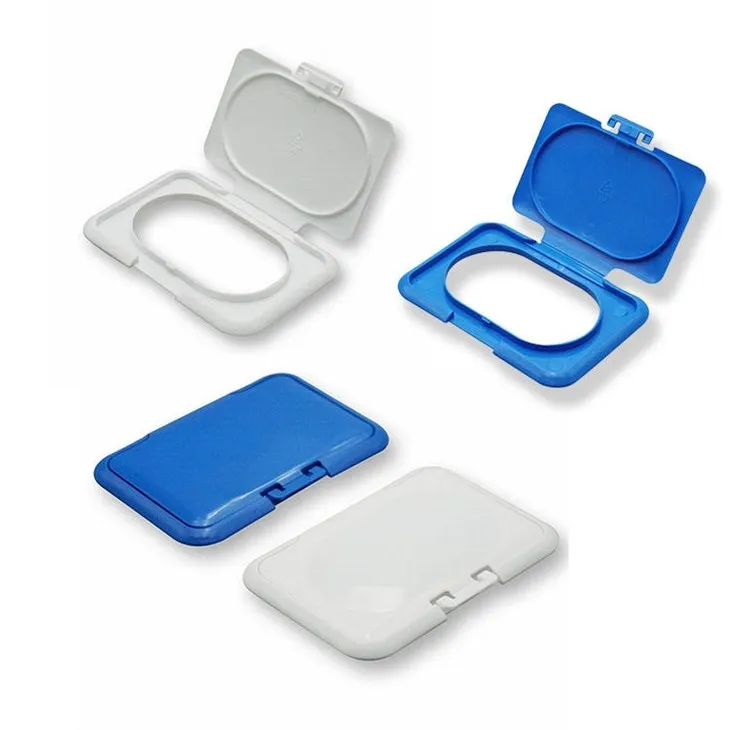
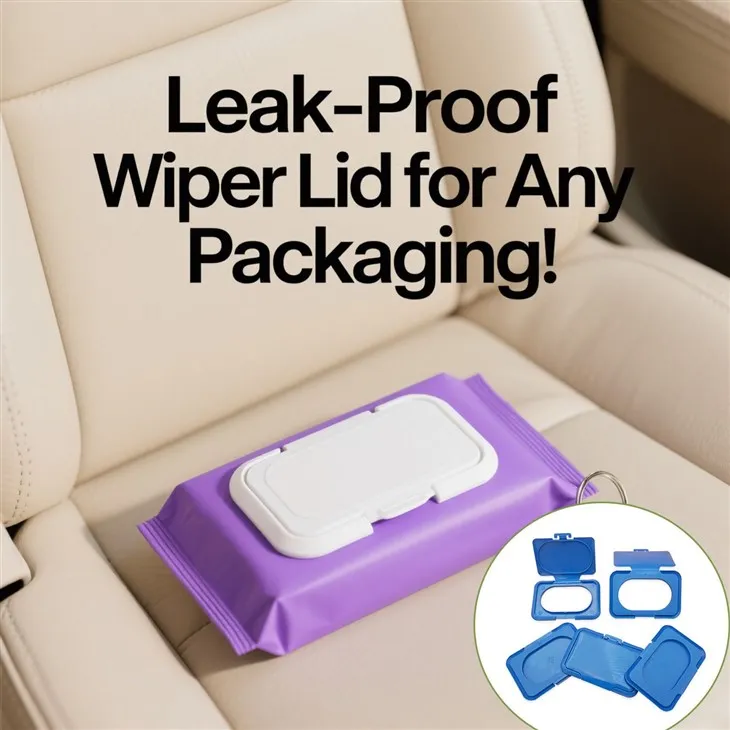
As a supplier of China Wet Wipes Lid and Plastic Lid For Wet Wipes, I know that baby wipes lids can be made from different materials, such as plastic, silicone, or a combination of both.
Plastic Lids
Most baby wipes lids are made of plastic. When using solvents like rubbing alcohol or vinegar, make sure to test them on a small area first. Some plastics may be sensitive to certain chemicals, and testing can prevent discoloration or damage. Also, avoid using abrasive materials that can scratch the plastic surface.
Silicone Lids
Silicone lids are more flexible and heat - resistant. They are generally more resistant to chemical damage, but they can still absorb odors. After using vinegar or alcohol, make sure to rinse the lid thoroughly to remove any lingering smell. You can also soak the silicone lid in a mixture of baking soda and water for a few hours to neutralize any odors.
Preventing Sticky Residue in the Future
Prevention is always better than cure. Here are some tips to prevent sticky residue from building up on baby wipes lids:
- Keep the baby wipes container in a clean and dry place. Avoid placing it near sources of spills or moisture.
- Wipe the lid regularly with a damp cloth to remove any potential residue before it becomes sticky.
- When using baby products near the wipes container, be careful not to spill them on the lid.
Conclusion
Removing sticky residue from a baby wipes lid doesn't have to be a difficult task. With the right tools and methods, you can keep your baby wipes lids clean and functional. As a supplier of high - quality baby wipes lids, we are committed to providing products that meet the highest standards of quality and durability. If you're interested in purchasing our Baby Wipes Lid, China Wet Wipes Lid, or Plastic Lid For Wet Wipes, please feel free to contact us for more information and to start a procurement negotiation.
References
- Household Cleaning Hacks: A Guide to Effective Cleaning, 2023 Edition
- Chemistry of Adhesives and Solvents, published by Chemical Science Press


