

Hey there! As a supplier of rubber seal strips for doors, I often get asked, "Can I use a rubber seal strip on an interior door?" Well, let's dive right into this topic and figure it out together.
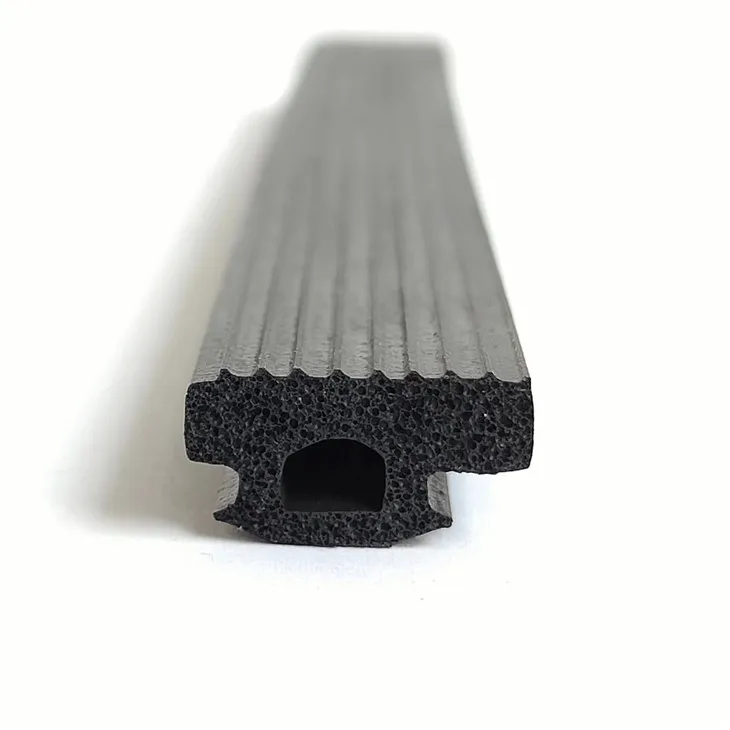
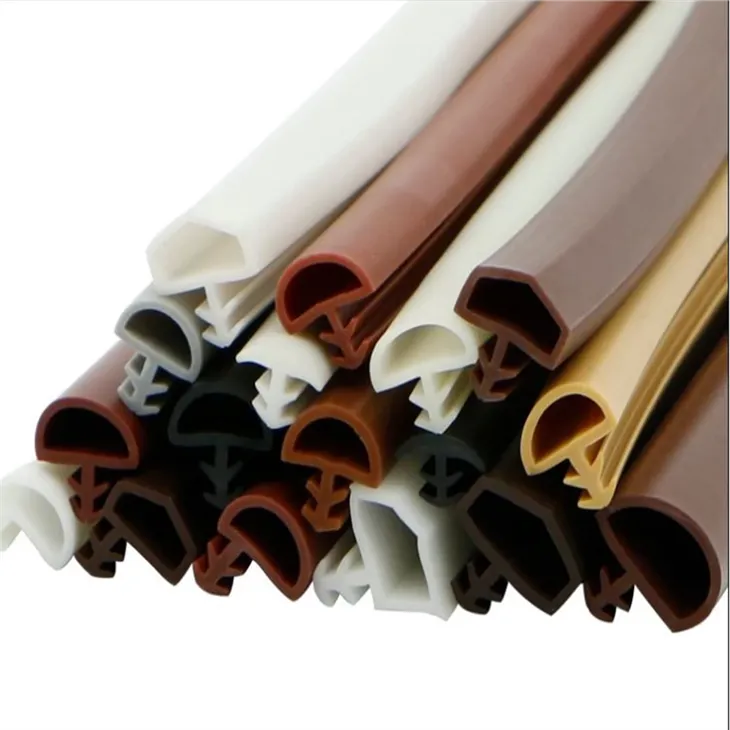
First off, let's talk about what rubber seal strips are all about. Rubber seal strips are flexible, usually made from different types of rubber materials like PVC rubber or thermoplastic. They come in various shapes and sizes, and their main job is to create a tight seal between two surfaces.
Now, onto the question of using them on interior doors. The answer is a big yes! There are actually several good reasons why you might want to use a rubber seal strip on your interior door.
Noise Reduction
One of the most common reasons people use rubber seal strips on interior doors is to reduce noise. Whether you've got kids playing loudly in the next room, a home office where you need peace and quiet to work, or a media room where you don't want the sound to leak out, a rubber seal strip can make a huge difference. When the door is closed, the seal strip fills in the gaps around the edges of the door, blocking sound waves from passing through. It's like creating a little soundproof bubble in each room.
Energy Efficiency
Believe it or not, interior doors can also contribute to your home's energy efficiency. If there are gaps around your interior doors, warm or cool air can escape from one room to another. This means your HVAC system has to work harder to maintain the temperature in each room. By installing a rubber seal strip, you can prevent this air leakage and save on your energy bills. It's a win - win situation!
Dust and Draft Prevention
Another benefit of using a rubber seal strip on an interior door is that it can keep dust and drafts out. Dust particles can easily float through the gaps around doors and settle on your furniture and floors. A good seal strip will act as a barrier, preventing dust from entering the room. And if you've ever felt a cold draft coming under your door, a seal strip can block that too, making your home more comfortable.
Types of Rubber Seal Strips for Interior Doors
There are different types of rubber seal strips that you can use on interior doors.
PVC Rubber Seal
The PVC Rubber Seal is a popular choice. It's durable, flexible, and resistant to wear and tear. PVC rubber seals are also easy to clean, which is great for interior doors that get a lot of use. They can be easily cut to fit the size of your door, and they come in different colors to match the look of your interior.
Thermoplastic Door And Window Seals
Thermoplastic Door And Window Seals, Building Expansion Joint Seal Weather Resisting are another option. These seals are known for their excellent weather - resistance and flexibility. They can adapt to different temperatures and humidity levels, making them suitable for interior doors in various environments. They also have good elasticity, which means they can maintain a tight seal over time.
Rubber Seal Strip for Curtain Wall
You might be wondering why a Rubber Seal Strip for Curtain Wall would be used on an interior door. Well, these seal strips are designed to provide a high - level seal, and they can also work well on interior doors. They are often made from high - quality rubber materials that offer excellent durability and sealing performance.
Installation Process
Installing a rubber seal strip on an interior door is usually a pretty straightforward process. Here are the basic steps:
- Measure the Door: First, measure the length and width of the door where you want to install the seal strip. Make sure to measure accurately to ensure a proper fit.
- Cut the Seal Strip: Using a pair of sharp scissors or a utility knife, cut the rubber seal strip to the appropriate length. It's better to cut it a little longer than you need and then trim it down later.
- Clean the Door Surface: Before installing the seal strip, clean the door surface where the strip will be attached. This will ensure good adhesion.
- Attach the Seal Strip: Peel off the backing of the adhesive on the seal strip (if it has one) and carefully press the strip onto the door. Start from one end and work your way to the other, making sure the strip is straight and firmly attached.
- Trim the Excess: Once the seal strip is attached, trim any excess material at the ends of the door.
Tips for Choosing the Right Rubber Seal Strip
When choosing a rubber seal strip for your interior door, here are some things to consider:
- Size: Make sure the seal strip fits the size of your door. Measure the gaps around the door carefully to determine the right width and thickness of the strip.
- Material: Different materials have different properties. Consider the environment where the door is located and choose a material that is suitable. For example, if the door is in a high - traffic area, you might want a more durable material.
- Color: Choose a color that matches the look of your interior. Most rubber seal strips come in a variety of colors, so you can find one that blends in well.
Conclusion
In conclusion, using a rubber seal strip on an interior door is a great idea. It can help with noise reduction, energy efficiency, dust and draft prevention, and more. There are different types of rubber seal strips available, and the installation process is relatively easy. If you're looking to improve the comfort and functionality of your interior doors, consider adding a rubber seal strip.
If you're interested in purchasing rubber seal strips for your interior doors, we're here to help. We offer a wide range of high - quality rubber seal strips that are suitable for various applications. Contact us for more information and to discuss your specific needs. We'd love to work with you to find the perfect solution for your doors.
References
- General knowledge about rubber seal strips and their applications in interior doors.