

Can EPDM sheet be used in industrial gaskets?
In the realm of industrial applications, the choice of materials for gaskets is a critical decision that can significantly impact the performance, safety, and longevity of equipment. One material that has gained considerable attention in recent years is Ethylene Propylene Diene Monomer (EPDM) sheet. As a leading supplier of EPDM sheets, I am often asked whether EPDM sheets are suitable for use in industrial gaskets. In this blog post, I will explore the properties of EPDM sheets, their advantages and limitations in industrial gasket applications, and provide some insights into when and how to use them effectively.
Properties of EPDM Sheets
EPDM is a synthetic rubber polymer known for its excellent resistance to weathering, ozone, and UV radiation. This makes it an ideal choice for outdoor applications where exposure to the elements is a concern. EPDM also has good resistance to a wide range of chemicals, including acids, alkalis, and polar solvents, which makes it suitable for use in chemical processing and other industrial environments.
In addition to its chemical resistance, EPDM has excellent flexibility and elasticity, even at low temperatures. This allows it to form a tight seal between two surfaces, preventing the leakage of fluids or gases. EPDM also has good compression set resistance, which means it can maintain its shape and sealing properties over time, even under repeated compression.
Another important property of EPDM is its electrical insulation properties. EPDM is a good electrical insulator, which makes it suitable for use in electrical applications where insulation is required.
Advantages of Using EPDM Sheets in Industrial Gaskets
There are several advantages to using EPDM sheets in industrial gaskets. One of the main advantages is their excellent resistance to weathering and ozone. This makes them ideal for use in outdoor applications, such as in automotive engines, where they are exposed to sunlight, rain, and other environmental factors. EPDM gaskets can also be used in applications where they are exposed to high temperatures, as they have good heat resistance.
Another advantage of using EPDM sheets in industrial gaskets is their chemical resistance. EPDM is resistant to a wide range of chemicals, including acids, alkalis, and polar solvents. This makes it suitable for use in chemical processing plants, where it can be used to seal pipes, valves, and other equipment. EPDM gaskets can also be used in food and beverage processing applications, as they are non-toxic and comply with FDA regulations.
EPDM sheets also have excellent flexibility and elasticity, which allows them to form a tight seal between two surfaces. This is particularly important in applications where there is a lot of movement or vibration, as it helps to prevent the leakage of fluids or gases. EPDM gaskets can also be used in applications where there is a need for a high degree of compression, as they have good compression set resistance.
Limitations of Using EPDM Sheets in Industrial Gaskets
While EPDM sheets have many advantages, they also have some limitations. One of the main limitations is their poor resistance to oils and fuels. EPDM is not recommended for use in applications where it will be exposed to petroleum-based oils or fuels, as it can swell and lose its sealing properties.
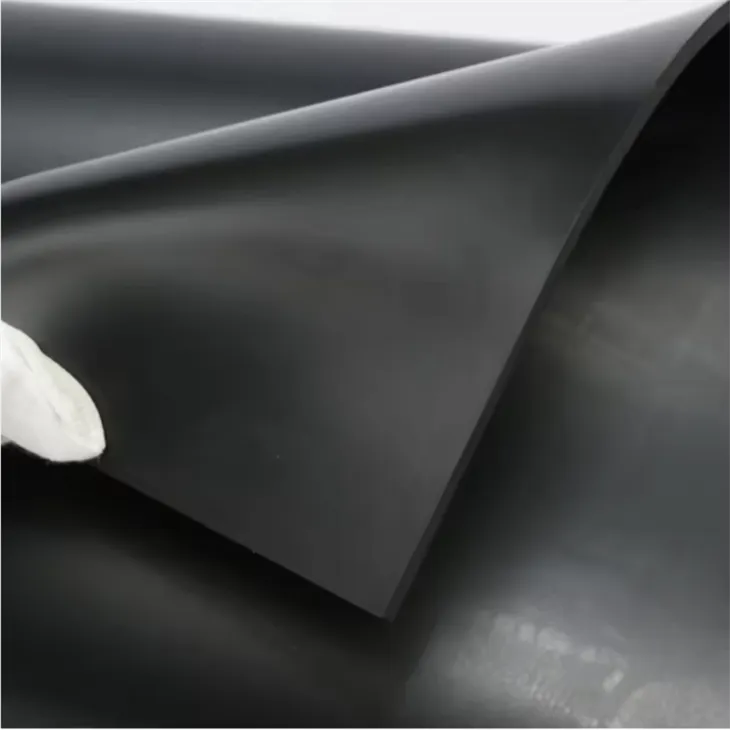
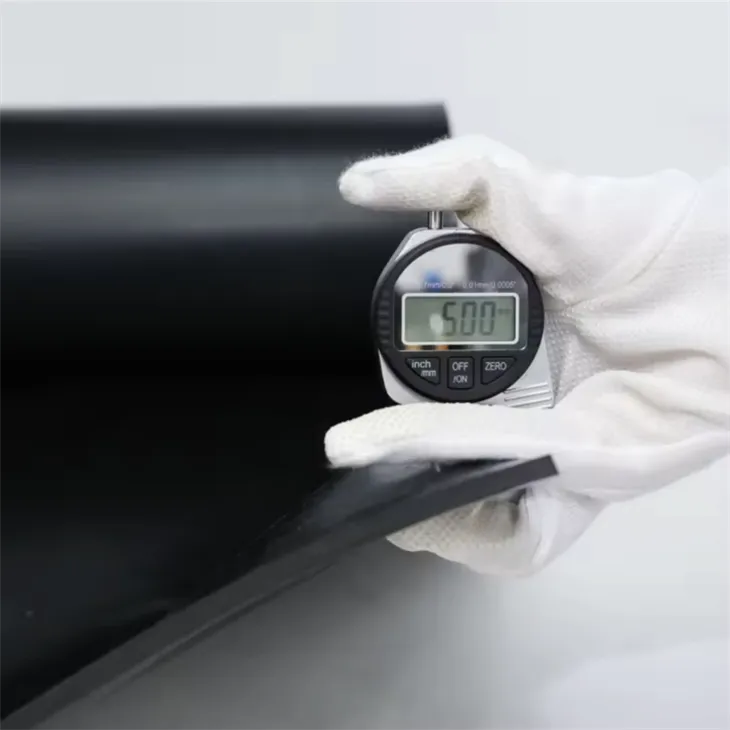
Another limitation of EPDM sheets is their relatively low tear strength. While EPDM has good flexibility and elasticity, it is not as strong as some other materials, such as nitrile rubber or silicone rubber. This means that it may not be suitable for use in applications where there is a lot of stress or tension on the gasket.
EPDM sheets also have a relatively high coefficient of friction, which can make them difficult to install in some applications. This is particularly true in applications where there is a need for a smooth, low-friction surface, such as in bearings or seals.
When to Use EPDM Sheets in Industrial Gaskets
Based on their properties and limitations, EPDM sheets are best suited for use in industrial gaskets in applications where there is a need for excellent weathering and ozone resistance, chemical resistance, flexibility, and elasticity. Some common applications for EPDM gaskets include:
- Automotive engines: EPDM gaskets are commonly used in automotive engines to seal the cylinder head, oil pan, and other components. They are also used in the cooling system to seal the radiator and water pump.
- Chemical processing plants: EPDM gaskets are used in chemical processing plants to seal pipes, valves, and other equipment. They are also used in the storage and transportation of chemicals, as they are resistant to a wide range of chemicals.
- Food and beverage processing: EPDM gaskets are used in food and beverage processing applications to seal pipes, valves, and other equipment. They are non-toxic and comply with FDA regulations, making them suitable for use in contact with food and beverages.
- Electrical applications: EPDM gaskets are used in electrical applications to provide insulation and prevent the leakage of electricity. They are commonly used in electrical enclosures, transformers, and other equipment.
How to Choose the Right EPDM Sheet for Your Industrial Gasket Application
When choosing an EPDM sheet for your industrial gasket application, there are several factors to consider. These include:
- Temperature range: EPDM has a wide temperature range, but it is important to choose a sheet that is suitable for the specific temperature range of your application. If you need a sheet that can withstand high temperatures, you may need to choose a sheet with a higher temperature rating.
- Chemical resistance: EPDM is resistant to a wide range of chemicals, but it is important to choose a sheet that is resistant to the specific chemicals that will be present in your application. If you are unsure which chemicals your sheet will be exposed to, you should consult with a chemical resistance chart or a materials expert.
- Compression set resistance: Compression set resistance is an important factor to consider when choosing an EPDM sheet for your industrial gasket application. You should choose a sheet that has good compression set resistance, as this will help to ensure that the gasket maintains its shape and sealing properties over time.
- Tear strength: Tear strength is another important factor to consider when choosing an EPDM sheet for your industrial gasket application. If you need a sheet that can withstand a lot of stress or tension, you may need to choose a sheet with a higher tear strength.
Conclusion
In conclusion, EPDM sheets can be used in industrial gaskets in a wide range of applications. They have excellent weathering and ozone resistance, chemical resistance, flexibility, and elasticity, which make them ideal for use in outdoor applications, chemical processing plants, food and beverage processing, and electrical applications. However, they also have some limitations, such as poor resistance to oils and fuels and relatively low tear strength. When choosing an EPDM sheet for your industrial gasket application, it is important to consider the specific requirements of your application, such as temperature range, chemical resistance, compression set resistance, and tear strength.
If you are interested in learning more about our EPDM Slip Sheet, EPDM Foam Sheet, or EPDM Sponge Sheet for industrial gasket applications, please contact us. Our team of experts can help you choose the right EPDM sheet for your specific needs and provide you with a quote. We look forward to working with you to find the best solution for your industrial gasket requirements.
References
- "EPDM Rubber: Properties, Applications, and Advantages." Rubber World, https://www.rubberworld.com/epdm-rubber-properties-applications-and-advantages/.
- "EPDM Gaskets: A Comprehensive Guide." Thomasnet, https://www.thomasnet.com/articles/plastics-rubber/epdm-gaskets/.
- "The Benefits of Using EPDM Rubber in Industrial Applications." Gasketech, https://www.gasketech.com/blog/the-benefits-of-using-epdm-rubber-in-industrial-applications/.