

Are wet wipes lids recyclable? This is a question that has been on the minds of many environmentally - conscious consumers and businesses alike. As a wet wipes lid supplier, I've seen firsthand the growing concern about the environmental impact of our products. In this blog post, I'll delve into the topic of wet wipes lid recyclability, exploring the factors that determine whether these lids can be recycled and offering some insights into the future of sustainable wet wipes packaging.
The Composition of Wet Wipes Lids
Wet wipes lids are typically made from plastic materials. The most common types of plastics used in these lids include polypropylene (PP) and polyethylene (PE). Polypropylene is a thermoplastic polymer that is known for its high melting point, stiffness, and chemical resistance. It is widely used in packaging applications because of its durability and ability to protect the contents inside. Polyethylene, on the other hand, is a flexible and lightweight plastic that comes in different densities, such as low - density polyethylene (LDPE) and high - density polyethylene (HDPE).
The recyclability of wet wipes lids largely depends on the type of plastic they are made from. Polypropylene and polyethylene are both technically recyclable plastics. However, the reality of recycling wet wipes lids is more complex than just the plastic type.
Challenges in Recycling Wet Wipes Lids
One of the main challenges in recycling wet wipes lids is contamination. Wet wipes are moist, and the lids often come into contact with the wet wipes and their liquid solution. This liquid can contain various chemicals, such as preservatives, fragrances, and moisturizers. When these lids are sent for recycling, the contaminants can interfere with the recycling process. Recycling facilities are designed to handle relatively clean plastic materials, and the presence of these contaminants can make it difficult to separate and purify the plastic.
Another challenge is the size and shape of wet wipes lids. They are often small and lightweight, which makes them difficult to sort in recycling facilities. Automated sorting systems may not be able to accurately identify and separate wet wipes lids from other types of plastics or waste materials. Additionally, the lids may get stuck in the sorting equipment, causing operational problems.
Current Recycling Status
In many regions, wet wipes lids are not commonly accepted in curbside recycling programs. This is due to the challenges mentioned above. However, some specialized recycling facilities may be able to handle these lids. These facilities have the technology and processes in place to deal with the contamination and small size of the lids.
Some manufacturers and retailers are starting to take steps to improve the recyclability of wet wipes lids. For example, they are exploring ways to reduce the amount of liquid residue on the lids or to develop more easily recyclable lid designs.
Our Efforts as a Supplier
As a wet wipes lid supplier, we are committed to addressing the issue of recyclability. We are constantly researching and developing new lid designs that are more environmentally friendly. For instance, we are working on creating lids that are easier to clean and less likely to retain liquid contaminants.
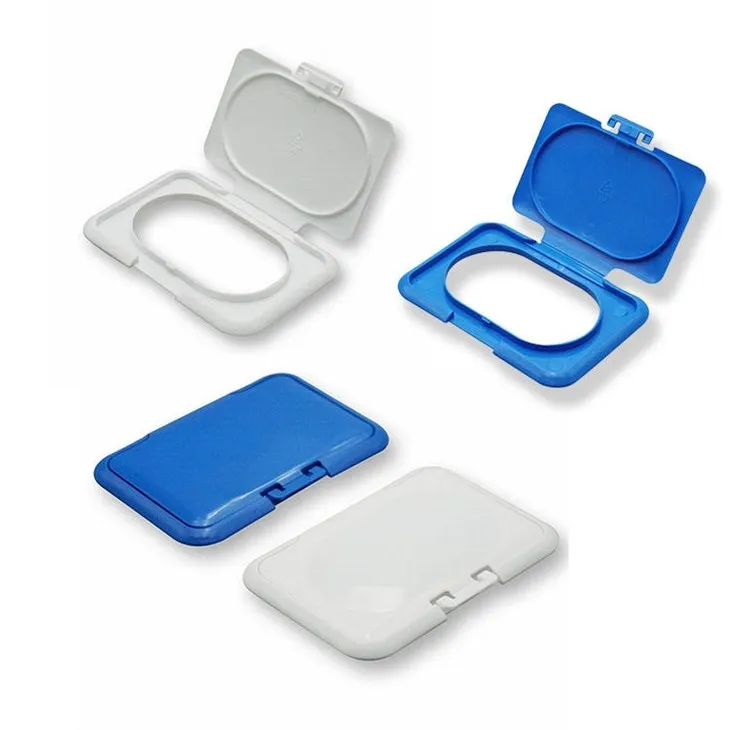
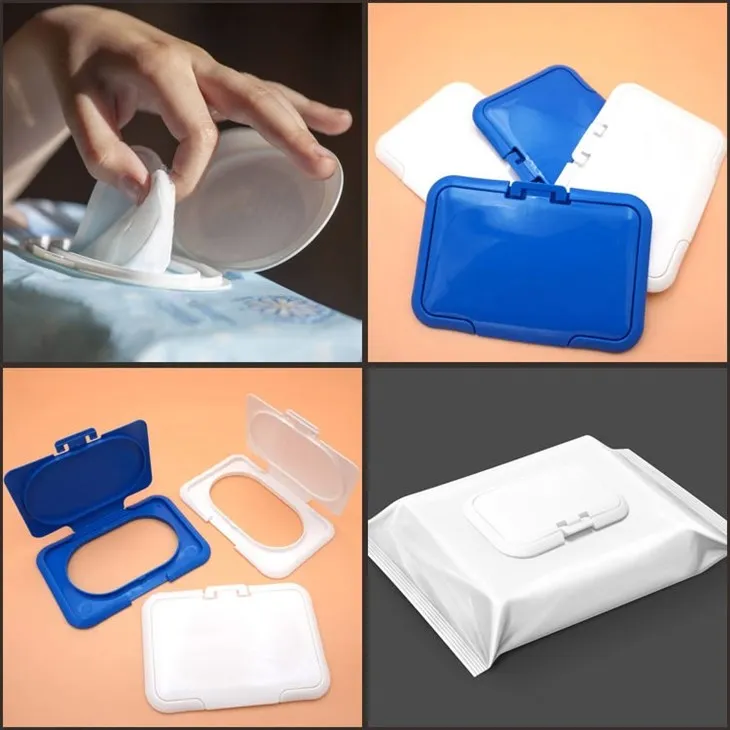
We also offer a range of products that are designed with sustainability in mind. Our Wet Wipes Plastic Cover is made from high - quality, recyclable plastic. We ensure that the manufacturing process minimizes waste and uses resources efficiently.
Our Reusable Baby Wipes Lid is another innovative product. It is designed to be used multiple times, reducing the need for single - use plastic lids. This not only helps to reduce waste but also provides a cost - effective solution for consumers.
In addition, our Plastic Lid For Wet Wipes is engineered to be more easily sorted in recycling facilities. We are working closely with recycling experts to ensure that our lids meet the requirements for efficient recycling.
The Future of Wet Wipes Lid Recycling
The future of wet wipes lid recycling looks promising. As technology advances, recycling facilities are becoming more sophisticated and better able to handle challenging waste materials. There is also a growing awareness among consumers about the importance of recycling and sustainable packaging. This is putting pressure on manufacturers and suppliers to develop more environmentally friendly products.
We expect to see more collaboration between the wet wipes industry, recycling facilities, and environmental organizations. This collaboration will help to develop new recycling methods and improve the overall recyclability of wet wipes lids. For example, we may see the development of collection programs specifically for wet wipes lids, similar to the existing programs for other hard - to - recycle items.
Encouraging Sustainable Consumption
As a supplier, we also play a role in educating consumers about the proper disposal and recycling of wet wipes lids. We include information on our product packaging about the recyclability of our lids and provide guidance on how to clean them before recycling. By encouraging sustainable consumption habits, we can help to reduce the environmental impact of our products.
Contact Us for Sustainable Solutions
If you are in the market for wet wipes lids, we invite you to explore our range of sustainable products. We are dedicated to providing high - quality, environmentally friendly wet wipes lids that meet the needs of your business. Whether you are a wet wipes manufacturer, a retailer, or a distributor, we can offer you customized solutions.
We believe that by working together, we can make a significant difference in the environmental impact of wet wipes packaging. Contact us today to start a conversation about your wet wipes lid needs and how we can help you achieve your sustainability goals.
References
- American Chemistry Council. (2023). Plastic Recycling.
- Environmental Protection Agency. (2023). Recycling Basics.
- Plastics Industry Association. (2023). Advances in Plastic Recycling Technology.


