

As a supplier of wet wipes plastic lids, I've often been asked about the limitations of colors available for these essential components. In this blog post, I'll delve into the factors that influence color choices for wet wipes plastic lids and explore whether there are indeed any limitations.
Understanding the Basics of Plastic Lid Coloring
Before we discuss limitations, it's important to understand how plastic lids for wet wipes are colored. The most common method is through the use of colorants, which can be in the form of pigments or dyes. Pigments are insoluble particles that are dispersed throughout the plastic matrix, providing color by reflecting or absorbing light. Dyes, on the other hand, are soluble substances that dissolve in the plastic, creating a more uniform color.
The choice between pigments and dyes depends on several factors, including the desired color intensity, durability, and cost. Pigments are generally more opaque and resistant to fading, making them suitable for applications where long - term color stability is required. Dyes, on the other hand, can produce more vibrant and transparent colors but may be less durable.
Factors Affecting Color Availability
1. Material Compatibility
The type of plastic used to manufacture wet wipes lids plays a crucial role in determining the available colors. Different plastics have different chemical properties, and not all colorants are compatible with every type of plastic. For example, polypropylene (PP), which is commonly used for wet wipes lids due to its excellent chemical resistance and mechanical properties, has specific requirements for colorants. Some colorants may not disperse evenly in PP or may react with the plastic, leading to issues such as color bleeding or reduced product performance.
2. Regulatory Requirements
Another significant factor is the regulatory environment. Wet wipes are often used for personal hygiene, especially Baby Wipes Lid, and the lids must comply with strict safety standards. Colorants used in plastic lids must be approved for use in food - contact or medical - grade applications, depending on the intended use of the wet wipes. Regulatory bodies such as the Food and Drug Administration (FDA) in the United States and the European Union's REACH regulations set limits on the types and amounts of chemicals that can be used in plastic products. This can restrict the range of available colors, as some colorants may contain heavy metals or other harmful substances that are not allowed in these applications.
3. Production Process
The manufacturing process of wet wipes plastic lids also impacts color availability. Injection molding is the most common method for producing plastic lids. During injection molding, the plastic is heated to a high temperature and injected into a mold cavity. The high temperatures can cause some colorants to degrade or change color, limiting the choice of heat - stable colorants. Additionally, the flow properties of the plastic - colorant mixture can affect the final color appearance. If the colorant does not flow evenly with the plastic, it can result in color streaks or uneven coloring on the lid.
4. Cost Considerations
Cost is always a factor in any manufacturing process. Some colorants are more expensive than others, especially those that offer unique or high - performance properties. For example, metallic or fluorescent colorants are generally more costly than standard solid colors. As a supplier, we need to balance the customer's color requirements with the cost of production. This may limit the availability of certain colors, especially for customers with budget constraints.
Are There True Limitations?
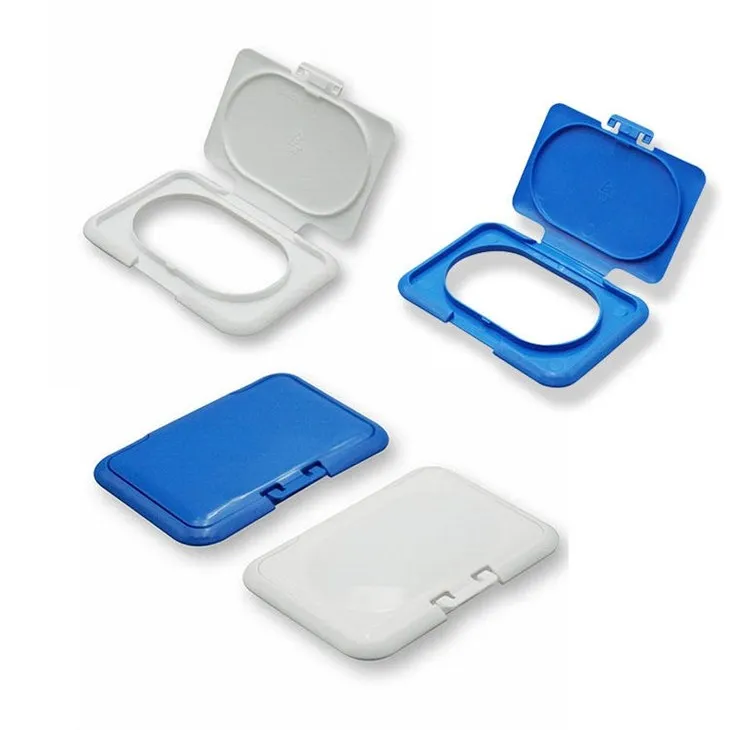
While there are several factors that can restrict the range of colors available for wet wipes plastic lids, it's important to note that there are still a wide variety of colors that can be achieved. Most common colors such as white, black, blue, red, and green are readily available and can be produced with high quality and consistency.
In fact, with advancements in colorant technology, the limitations are becoming less and less restrictive. New colorants are being developed that offer better compatibility with different plastics, higher heat resistance, and improved regulatory compliance. For example, some manufacturers are now using organic pigments that are free from heavy metals and other harmful substances, expanding the range of safe and sustainable color options.
Moreover, as a supplier, we work closely with our customers to understand their specific color needs and find solutions to overcome any limitations. We have a team of experts who can recommend the most suitable colorants based on the plastic material, production process, and regulatory requirements. In many cases, we can even develop custom - formulated colorants to meet unique color specifications.
Customization and Innovation
Despite the potential limitations, we are committed to providing our customers with a high degree of customization. We understand that the color of the wet wipes lid can be an important branding element for our customers. A unique and eye - catching color can help their products stand out on the shelves.
We offer a wide range of standard colors, and we are also capable of producing custom colors. Our R & D team is constantly working on new color formulations and production techniques to expand our color palette. For example, we are exploring the use of special effects colorants such as pearlescent or holographic finishes to create more visually appealing lids.
Conclusion
In conclusion, while there are some factors that can limit the colors available for wet wipes plastic lids, including material compatibility, regulatory requirements, production process, and cost considerations, there is still a significant range of colors that can be achieved. With advancements in technology and a commitment to innovation, the limitations are gradually being overcome.
As a Plastic Lid For Wet Wipes supplier, we are dedicated to providing our customers with high - quality, customizable lids in a variety of colors. Whether you need a standard color for a mass - market product or a custom color for a premium brand, we have the expertise and resources to meet your needs.
If you are interested in learning more about our wet wipes plastic lids and the available color options, or if you have specific color requirements for your product, please feel free to contact us for a procurement discussion. We look forward to working with you to create the perfect wet wipes lid for your brand.
References
- ASTM International. (20XX). Standard test methods for plastics.
- European Union. (20XX). REACH regulations.
- Food and Drug Administration. (20XX). Regulations on food - contact materials.