

In recent years, the global community has witnessed a growing concern about the environmental impact of traditional plastics. These non - biodegradable materials have been piling up in landfills, polluting oceans, and harming wildlife. As a result, the demand for biodegradable alternatives has soared. In this blog, we will explore the existence and characteristics of biodegradable plastic films, and as a biodegradable plastic supplier, share our insights and products in this field.
What are Biodegradable Plastic Films?
Biodegradable plastic films are plastic films that can be broken down by natural processes, such as the action of microorganisms like bacteria, fungi, and algae. Unlike conventional plastic films, which can persist in the environment for hundreds of years, biodegradable plastic films have a much shorter lifespan and can be integrated back into the ecosystem.
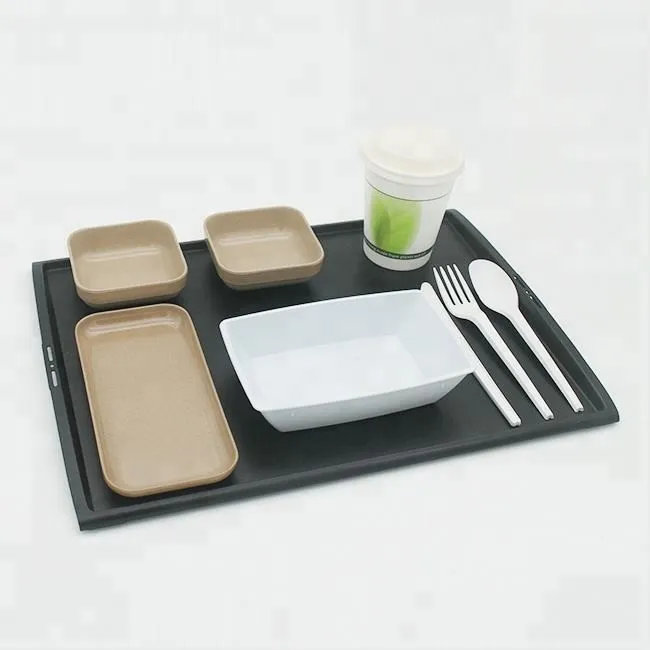

There are different types of biodegradable plastic films. Some are made from plant - based materials, such as corn starch, sugarcane, and cellulose. These Plant Based Plastic Biodegradable films are often referred to as bio - based plastics. They are renewable resources, which means they can be replenished over time. For example, corn starch can be easily grown and harvested, and then processed into plastic films.
Another type of biodegradable plastic film is made from synthetic polymers that are designed to be biodegradable. These polymers are engineered to have chemical structures that can be attacked by microorganisms. They may have properties similar to traditional plastics, such as flexibility and strength, but with the added benefit of being environmentally friendly.
Advantages of Biodegradable Plastic Films
Environmental Benefits
The most significant advantage of biodegradable plastic films is their positive impact on the environment. When these films are discarded, they can break down into natural substances like water, carbon dioxide, and biomass. This reduces the amount of plastic waste in landfills and oceans. For instance, in the ocean, traditional plastic films can entangle marine animals and be ingested by them, causing serious harm. Biodegradable plastic films eliminate this risk as they will not persist in the marine environment for long periods.
Renewable Resources
As mentioned earlier, many biodegradable plastic films are made from plant - based materials. These resources are renewable, which means they can be continuously produced without depleting the earth's natural resources. In contrast, traditional plastics are mainly derived from fossil fuels, which are non - renewable and finite. By using biodegradable plastic films, we can reduce our dependence on fossil fuels and move towards a more sustainable future.
Consumer Appeal
Consumers are becoming more environmentally conscious, and they are increasingly looking for products that are eco - friendly. Biodegradable plastic films can be used in a wide range of consumer products, such as food packaging, shopping bags, and agricultural films. By using these films, companies can meet the demands of environmentally - conscious consumers and enhance their brand image.
Applications of Biodegradable Plastic Films
Food Packaging
One of the most common applications of biodegradable plastic films is in food packaging. These films can provide a barrier against oxygen, moisture, and light, which helps to extend the shelf life of food products. At the same time, they are safe for food contact and can be easily disposed of after use. For example, biodegradable plastic films can be used to wrap fresh produce, meat, and bakery items. Some companies are also using these films to make Biodegradable Deli Containers, which are a popular choice for take - out food.
Agriculture
In the agricultural sector, biodegradable plastic films are used for various purposes. They can be used as mulch films to cover the soil, which helps to retain moisture, control weeds, and increase soil temperature. Once the growing season is over, these films can be left in the soil to break down, eliminating the need for manual removal. This saves time and labor for farmers.
Shopping Bags
Biodegradable plastic shopping bags are becoming more and more popular. They are a great alternative to traditional plastic bags, which are often single - use and contribute to a large amount of plastic waste. Biodegradable shopping bags can be made from plant - based materials and have the same functionality as traditional bags, but they will decompose naturally after use.
Challenges and Limitations
Cost
One of the main challenges of biodegradable plastic films is their cost. Currently, the production of these films is often more expensive than traditional plastic films. This is due to factors such as the cost of raw materials, processing techniques, and economies of scale. However, as the demand for biodegradable plastic films increases and production technologies improve, the cost is expected to decrease over time.
Performance
Although biodegradable plastic films have many advantages, they may not always perform as well as traditional plastic films in some aspects. For example, they may have lower barrier properties against oxygen and moisture, which can affect the shelf life of food products. Also, they may be more sensitive to temperature and humidity changes. However, continuous research and development are being carried out to improve the performance of biodegradable plastic films.
Our Products as a Biodegradable Plastic Supplier
As a biodegradable plastic supplier, we offer a wide range of Biodegradable Plastic Utensils and plastic films. Our plant - based plastic films are made from high - quality corn starch and other renewable resources. They have excellent flexibility and strength, and can be used in various applications, including food packaging and shopping bags.
We also have synthetic biodegradable plastic films that are designed to meet specific performance requirements. These films have good barrier properties and can withstand different environmental conditions. We work closely with our customers to understand their needs and provide customized solutions.
Conclusion
Biodegradable plastic films are a promising solution to the global plastic pollution problem. They offer many advantages, including environmental benefits, the use of renewable resources, and consumer appeal. Although there are still some challenges and limitations, continuous research and development are making these films more and more competitive with traditional plastics.
If you are interested in our biodegradable plastic films or other Biodegradable Plastic Utensils, please feel free to contact us for more information. We are looking forward to starting a business relationship with you and working together to create a more sustainable future.
References
- "Biodegradable Polymers: Principles and Applications" by A. J. East and P. A. Williams
- "Plastics and the Environment" by R. A. Howard
- "Renewable Resources and Biodegradable Plastics" by M. A. Hillmyer and T. M. Lodge


